Image Resources Please, select an icon to download a large high resolution JPG image or full sized master TIF image. Descriptions are also available for many images. My images may be cropped, mirrored, flipped or rotated to meet your requirements and descriptions may be ignored or edited. These images are optimized for a web presentation therefore some pictures may need to be adjusted a bit for printing. If you believe alternations in brightness or contrast are needed, please feel free to make them. Please note that I request the following minimal attribution have reasonable visibility somewhere in proximity to any image that you choose to include on your web site or in your publication (this is preferred) or somewhere in the same issue where other image attributions are normally presented: Copyright (current year), R. Jay GaBany, Cosmotography.com Images presented on web pages should also feature a link to my web site: Cosmotography.com All image files and descriptions are copyright © 2004- 2026 by R Jay GaBany. All recent images are registered. |
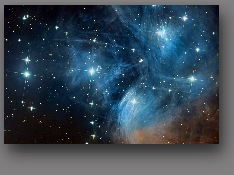
| New The Pleiades- M45 |
| |||||||||||||||||||||||||||||||||||||||||||||||||||||||||||||||||||||||||||||||||||||||
|
||||||||||||||||||||||||||||||||||||||||||||||||||||||||||||||||||||||||||||||||||||||||
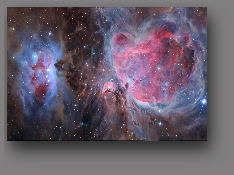
| New Great Orion Nebula |
| |||||||||||||||||||||||||||||||||||||||||||||||||||||||||||||||||||||||||||||||||||||||
|
||||||||||||||||||||||||||||||||||||||||||||||||||||||||||||||||||||||||||||||||||||||||
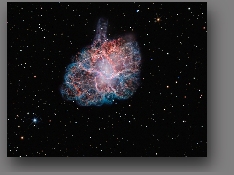
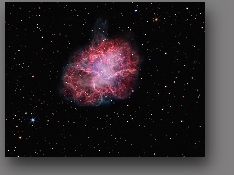
| New Crab Nebula Multi-spectral Suite Vol 1: Ha-OIII |
| |||||||||||||||||||||||||||||||||||||||||||||||||||||||||||||||||||||||||||||||||||||||
|
||||||||||||||||||||||||||||||||||||||||||||||||||||||||||||||||||||||||||||||||||||||||
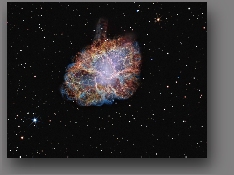
| New Crab Nebula Multi-spectral Suite Vol 2: Ha-SII-OIII |
| |||||||||||||||||||||||||||||||||||||||||||||||||||||||||||||||||||||||||||||||||||||||
|
||||||||||||||||||||||||||||||||||||||||||||||||||||||||||||||||||||||||||||||||||||||||
| New Crab Nebula Multi-spectral Suite Vol 3: White Light |
| |||||||||||||||||||||||||||||||||||||||||||||||||||||||||||||||||||||||||||||||||||||||
|
||||||||||||||||||||||||||||||||||||||||||||||||||||||||||||||||||||||||||||||||||||||||
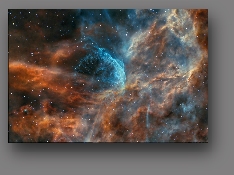
| New WR 134 |
| |||||||||||||||||||||||||||||||||||||||||||||||||||||||||||||||||||||||||||||||||||||||
|
||||||||||||||||||||||||||||||||||||||||||||||||||||||||||||||||||||||||||||||||||||||||
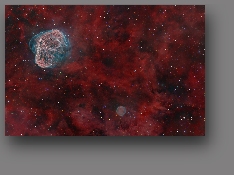
| New The Crescent and Soap Bubble Nebulae (NGC 6888 and PN G75.5+1.7) |
| |||||||||||||||||||||||||||||||||||||||||||||||||||||||||||||||||||||||||||||||||||||||
|
||||||||||||||||||||||||||||||||||||||||||||||||||||||||||||||||||||||||||||||||||||||||
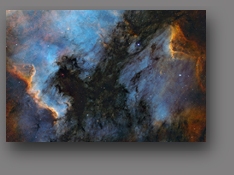
| New The Cygnus Rift (NGC 7000) |
| |||||||||||||||||||||||||||||||||||||||||||||||||||||||||||||||||||||||||||||||||||||||
|
||||||||||||||||||||||||||||||||||||||||||||||||||||||||||||||||||||||||||||||||||||||||
| New The Propeller in M13 (NGC 6205) |
| |||||||||||||||||||||||||||||||||||||||||||||||||||||||||||||||||||||||||||||||||||||||
|
||||||||||||||||||||||||||||||||||||||||||||||||||||||||||||||||||||||||||||||||||||||||
| NGC 6960 |
| |||||||||||||||||||||||||||||||||||||||||||||||||||||||||||||||||||||||||||||||||||||||
|
||||||||||||||||||||||||||||||||||||||||||||||||||||||||||||||||||||||||||||||||||||||||
| NGC 5457 |
| |||||||||||||||||||||||||||||||||||||||||||||||||||||||||||||||||||||||||||||||||||||||
|
||||||||||||||||||||||||||||||||||||||||||||||||||||||||||||||||||||||||||||||||||||||||
| NGC 3031 and NGC 3034 |
| |||||||||||||||||||||||||||||||||||||||||||||||||||||||||||||||||||||||||||||||||||||||
|
||||||||||||||||||||||||||||||||||||||||||||||||||||||||||||||||||||||||||||||||||||||||
| SH2-308- The Dolphin Head Nebula |
| |||||||||||||||||||||||||||||||||||||||||||||||||||||||||||||||||||||||||||||||||||||||
|
||||||||||||||||||||||||||||||||||||||||||||||||||||||||||||||||||||||||||||||||||||||||
| NGC 2068 (M78) |
| |||||||||||||||||||||||||||||||||||||||||||||||||||||||||||||||||||||||||||||||||||||||
|
||||||||||||||||||||||||||||||||||||||||||||||||||||||||||||||||||||||||||||||||||||||||
| The Rosette Nebula NGC 2244 |
| |||||||||||||||||||||||||||||||||||||||||||||||||||||||||||||||||||||||||||||||||||||||
|
||||||||||||||||||||||||||||||||||||||||||||||||||||||||||||||||||||||||||||||||||||||||
| The Belt of Orion- IC434 |
| |||||||||||||||||||||||||||||||||||||||||||||||||||||||||||||||||||||||||||||||||||||||
|
||||||||||||||||||||||||||||||||||||||||||||||||||||||||||||||||||||||||||||||||||||||||
| The Sword of Orion- NGC 1976 (M42) |
| |||||||||||||||||||||||||||||||||||||||||||||||||||||||||||||||||||||||||||||||||||||||
|
||||||||||||||||||||||||||||||||||||||||||||||||||||||||||||||||||||||||||||||||||||||||
| The Andromeda Galaxy NGC224 (M31) |
| |||||||||||||||||||||||||||||||||||||||||||||||||||||||||||||||||||||||||||||||||||||||
|
||||||||||||||||||||||||||||||||||||||||||||||||||||||||||||||||||||||||||||||||||||||||
| The Triangulum Galaxy M33 (NGC 598) |
| |||||||||||||||||||||||||||||||||||||||||||||||||||||||||||||||||||||||||||||||||||||||
|
||||||||||||||||||||||||||||||||||||||||||||||||||||||||||||||||||||||||||||||||||||||||
| The Pleiades NGC 1432 |
| |||||||||||||||||||||||||||||||||||||||||||||||||||||||||||||||||||||||||||||||||||||||
|
||||||||||||||||||||||||||||||||||||||||||||||||||||||||||||||||||||||||||||||||||||||||
| The Crab Nebula NGC 1952 |
| |||||||||||||||||||||||||||||||||||||||||||||||||||||||||||||||||||||||||||||||||||||||
|
||||||||||||||||||||||||||||||||||||||||||||||||||||||||||||||||||||||||||||||||||||||||
| Western Veil Nebula NGC 6960 |
| |||||||||||||||||||||||||||||||||||||||||||||||||||||||||||||||||||||||||||||||||||||||
|
||||||||||||||||||||||||||||||||||||||||||||||||||||||||||||||||||||||||||||||||||||||||
| Discovery of a stellar tidal stream and new satellite galaxies around the Whale galaxy, NGC 4631 Just released! |
| |||||||||||||||||||||||||||||||||||||||||||||||||||||||||||||||||||||||||||||||||||||||
|
|
|||||||||||||||||||||||||||||||||||||||||||||||||||||||||||||||||||||||||||||||||||||||
| NGC 4651 The Umbrella Galaxy Composite Subaru Telescope image |
| |||||||||||||||||||||||||||||||||||||||||||||||||||||||||||||||||||||||||||||||||||||||
|
|
|||||||||||||||||||||||||||||||||||||||||||||||||||||||||||||||||||||||||||||||||||||||
| Total Lunar Eclipse April 15, 2014 4-panel mosaic |
| |||||||||||||||||||||||||||||||||||||||||||||||||||||||||||||||||||||||||||||||||||||||
|
|
|||||||||||||||||||||||||||||||||||||||||||||||||||||||||||||||||||||||||||||||||||||||
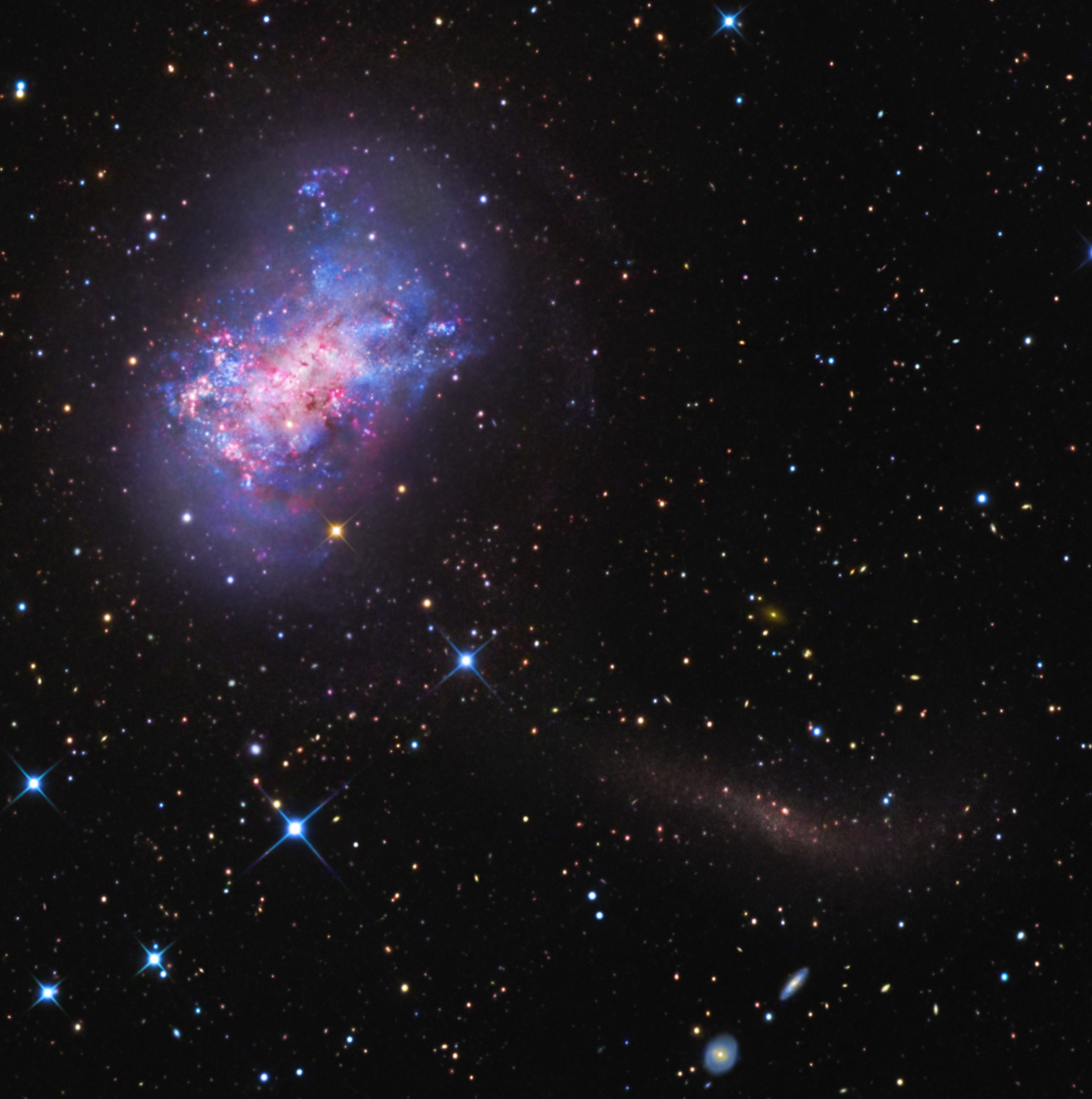
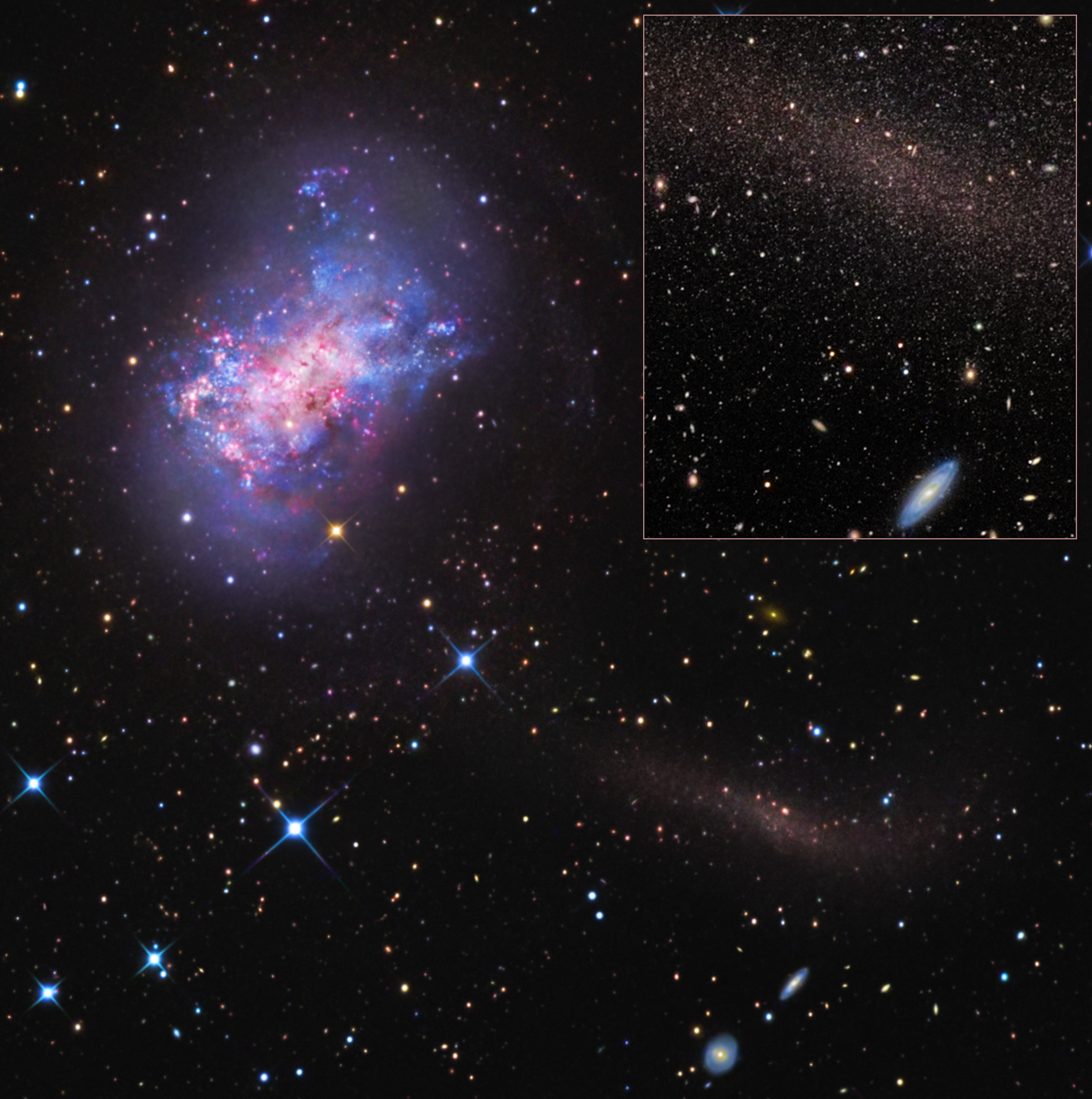
| Dwarfs gobbling dwarfs: A Tidal Stream Around NGC 4449 |
| |||||||||||||||||||||||||||||||||||||||||||||||||||||||||||||||||||||||||||||||||||||||
|
|
|||||||||||||||||||||||||||||||||||||||||||||||||||||||||||||||||||||||||||||||||||||||
| NGC 6853 The Dumbbell Nebula |
| |||||||||||||||||||||||||||||||||||||||||||||||||||||||||||||||||||||||||||||||||||||||
|
|
|||||||||||||||||||||||||||||||||||||||||||||||||||||||||||||||||||||||||||||||||||||||
| NGC 3521 The Bubble Galaxy |
| |||||||||||||||||||||||||||||||||||||||||||||||||||||||||||||||||||||||||||||||||||||||
|
|
|||||||||||||||||||||||||||||||||||||||||||||||||||||||||||||||||||||||||||||||||||||||
| Six years of supernova activity in the Whirlpool Galaxy featuring Supernova SN2005cs and SN2011dh |
| |||||||||||||||||||||||||||||||||||||||||||||||||||||||||||||||||||||||||||||||||||||||
|
|
|||||||||||||||||||||||||||||||||||||||||||||||||||||||||||||||||||||||||||||||||||||||
| NGC 5194 & 5195 The Whirlpool Galaxy featuring Supernova SN2011dh |
| |||||||||||||||||||||||||||||||||||||||||||||||||||||||||||||||||||||||||||||||||||||||
|
|
|||||||||||||||||||||||||||||||||||||||||||||||||||||||||||||||||||||||||||||||||||||||
| NGC 4631 in Canes Venitici The Whale Galaxy |
| |||||||||||||||||||||||||||||||||||||||||||||||||||||||||||||||||||||||||||||||||||||||
|
|
|||||||||||||||||||||||||||||||||||||||||||||||||||||||||||||||||||||||||||||||||||||||
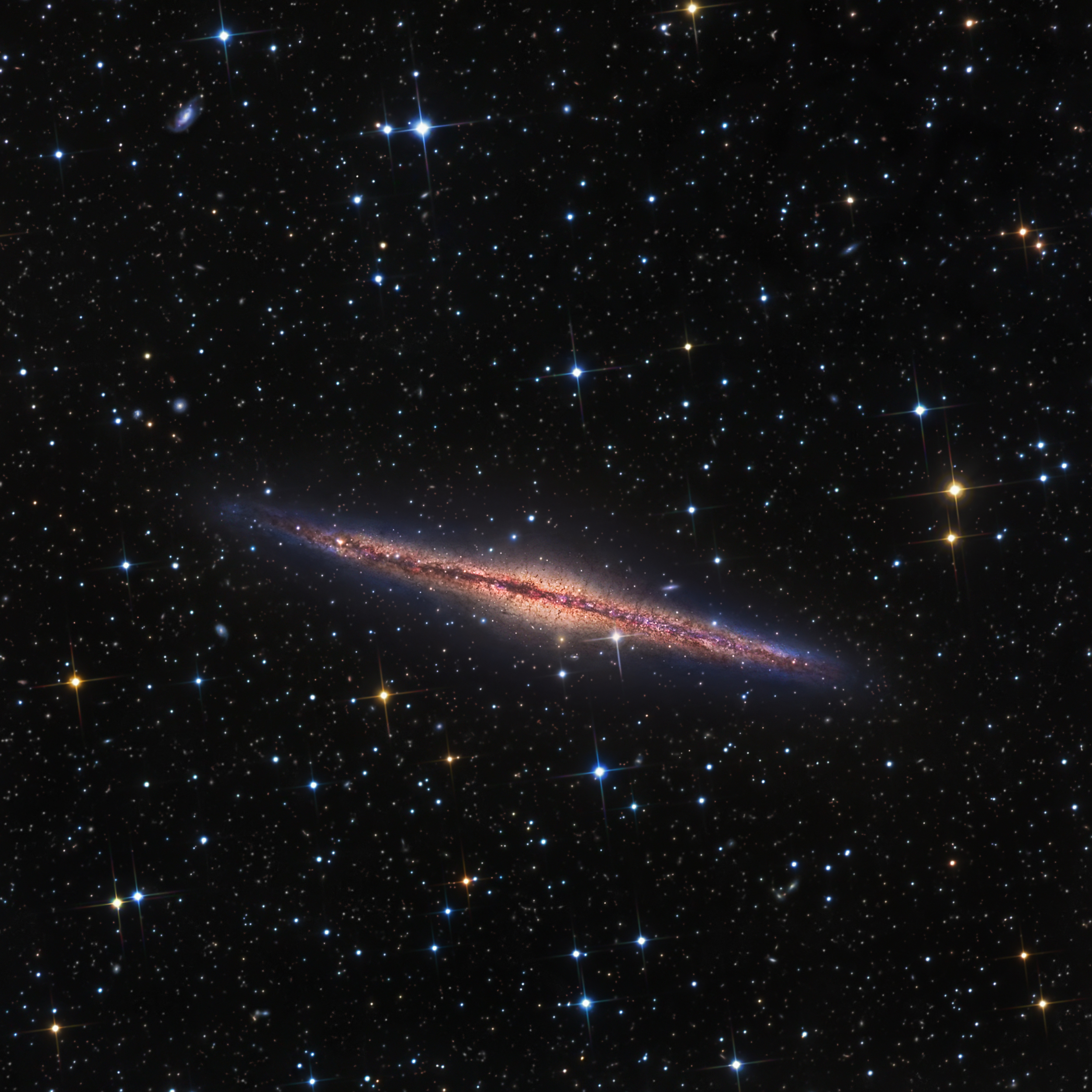
| NGC 891 in Andromeda |
| |||||||||||||||||||||||||||||||||||||||||||||||||||||||||||||||||||||||||||||||||||||||
|
|
|||||||||||||||||||||||||||||||||||||||||||||||||||||||||||||||||||||||||||||||||||||||
| NGC 6523 (M8) in Sagittarius The Lagoon Nebula A six panel, 75 mega-pixel high resolution mosaic |
| |||||||||||||||||||||||||||||||||||||||||||||||||||||||||||||||||||||||||||||||||||||||
|
|
|||||||||||||||||||||||||||||||||||||||||||||||||||||||||||||||||||||||||||||||||||||||
| NGC 5055 (M63) in Canes Venatici The Sunflower Galaxy |
| |||||||||||||||||||||||||||||||||||||||||||||||||||||||||||||||||||||||||||||||||||||||
|
|
|||||||||||||||||||||||||||||||||||||||||||||||||||||||||||||||||||||||||||||||||||||||
| NGC 6514 (M20) in Sagittarius The Trifid Nebula |
| |||||||||||||||||||||||||||||||||||||||||||||||||||||||||||||||||||||||||||||||||||||||
|
|
|||||||||||||||||||||||||||||||||||||||||||||||||||||||||||||||||||||||||||||||||||||||
| NGC 4258 (M106) in Canes Venatici |
| |||||||||||||||||||||||||||||||||||||||||||||||||||||||||||||||||||||||||||||||||||||||
|
|
|||||||||||||||||||||||||||||||||||||||||||||||||||||||||||||||||||||||||||||||||||||||
| NGC 5033 in Canes Venatici |
| |||||||||||||||||||||||||||||||||||||||||||||||||||||||||||||||||||||||||||||||||||||||
|
|
|||||||||||||||||||||||||||||||||||||||||||||||||||||||||||||||||||||||||||||||||||||||
| The Umbrella Galaxy (NGC 4651): Stellar Tidal Streams in Spiral Galaxies of the Local Volume: A Pilot Survey with Modest Aperture Telescopes |
| |||||||||||||||||||||||||||||||||||||||||||||||||||||||||||||||||||||||||||||||||||||||
|
|
|||||||||||||||||||||||||||||||||||||||||||||||||||||||||||||||||||||||||||||||||||||||
| Arp's Loop and M81 (NGC3031): Insights on the nature of Arp's Loop |
| |||||||||||||||||||||||||||||||||||||||||||||||||||||||||||||||||||||||||||||||||||||||
|
|
|||||||||||||||||||||||||||||||||||||||||||||||||||||||||||||||||||||||||||||||||||||||
| Unveiling the Nature of M94’s (NGC4736) Outer Region: a Panchromatic Perspective |
| |||||||||||||||||||||||||||||||||||||||||||||||||||||||||||||||||||||||||||||||||||||||
|
In 2006, this ground based optical (white light) picture attracted the attention of an international team of astrophysicists who launched a three year investigation that probed M94(NGC 4736) in multiple wavelengths. Optical images typically display this star system as an active central region surrounded by an amorphous circular band of gas, dust and stars classically described as a closed stellar ring. Modern astronomical CCD cameras possess an incredible tonal range- far more than photographs produced with film emulsions. If great care is exercised with digital dark room techniques, it's possible to preserve and enhance small contrast variances captured by modern electronic imaging chips that are often overlooked. For M94(NGC 4736), the result is an optical image that offers a tantalizing glimpse of a classic spiral pattern hidden within the surrounding ring.
This investigation detected the existence of furious stellar formation (about twice that occurring in the central disk), confirmed the presence of an impressive set of spiral arms extending throughout the surrounding ring and provided an explanation about their origin when M94(NGC 4736) was studied through mid-infrared, near and far ultraviolet wavelengths. The presence of bars at the center of galaxies can introduce instabilities that result in the formation of spiral arms. Interestingly, galactic bars can be quite broad. These fat bars, also known as oval distortions, often resemble a normal, slightly inclined disk with spiral arms. Previous researchers considered the inner disk of M94(NGC 4736) to be an oval distortion. The results of this team's study supports their conclusions and considers it to be the most plausible explanation for the previously undetected spiral structuring surrounding M94 (NGC 4736).
|
|||||||||||||||||||||||||||||||||||||||||||||||||||||||||||||||||||||||||||||||||||||||
| The Perseus Galaxy Cluster (Abell 426), NGC 1275 and supernova 2008fg in NGC 1268 |
| |||||||||||||||||||||||||||||||||||||||||||||||||||||||||||||||||||||||||||||||||||||||
|
Today, many scientists believe that seventy percent of the Universe is comprised of this dark energy with dark matter occupying twenty five percent. That means everything we see in the heavens- over 400 billion galaxies each ablaze with hundreds of billions of stars, the stars of our own galaxy, our Sun, our Moon, our neighboring planets and the Earth itself- accounts for only a small fraction of everything that exists- a measly five percent. Or, to put it another way: about ninety-five percent of the Universe is invisible to us!
The Perseus Galaxy Cluster The gravity exerted by the luminous parts of a galaxy cluster is insufficient to hold the cluster together. Thus, scientists have concluded the missing adhesive must be dark matter and since it's invisible to modern instruments- it can only be inferred. So, when you view the accompanying image of the Perseus Galaxy Cluster, you can't believe your eyes because you're only seeing a small fraction of what's actually there. This cluster contains about five hundred galaxies located approximately 250 million light years away towards the northern constellation of Perseus. The picture (above) captures an area about 1.5 million light years wide. It also contains hundreds of stars shining in our home galaxy. NGC 1275 In one section of the picture, an enormous pair of galaxies can be seen racing toward each other at over six million miles per hour (9.7 million kph). In the foreground, a spiral galaxy is in the process of merging with the more distant elliptical star system- although many astronomers suspect the merger has not yet commenced. The spiral is slightly tilted so that its spiral arms are at an angle to our line of sight. You can also see some of its dust lanes as dark threads superimposed and partially obscured in the glare of the galaxy behind it. The large elliptical galaxy, further in the distance, is called NGC 1275 but this star system is also known as Perseus A because it's one of the brightest sources of x-rays in the sky. Most astronomers suspect the x-rays emanate from a super massive black hole at the elliptical galaxy's center. Enormous jets and filaments, some stretching twenty thousand light years, extend from the black hole into the galaxy cluster- each thread contains a million times the mass of our Sun. The elliptical lies at the heart of the Perseus Cluster and it provides a unique opportunity to see the effects of an active black hole on it environs. Supernova SN2008fg This image was serendipitously exposed during the brief appearance of a supernova, designated SN2008fg, in one of the small blue spiral galaxies caught in the field of view. It was discovered on August 30, 2008 by the 30-inch KAIT robotic supernova patrol telescope located at historic Lick Observatory near San Jose, California, where the author lives. The stellar explosion, characterized by its bright blue color, is located near the bottom right edge of the galaxy. This cataclysmic event easily outshines the combined light of its home star system, NGC 1268. Read more... |
|||||||||||||||||||||||||||||||||||||||||||||||||||||||||||||||||||||||||||||||||||||||
| The Subaru Deep Field Project |
| |||||||||||||||||||||||||||||||||||||||||||||||||||||||||||||||||||||||||||||||||||||||
|
For thirty nights over a two year period, teams of researchers contributed exposures, produced with the 8.2 meter Subaru Telescope, of an apparently vacant portion of the northern sky to create an image that provides a unique peek at the Universe when it was very young. Featuring over 200,000 galaxies, these exposures were re-processed by the author with permission of the NAOJ, at the request of Norwegian organizers hosting a 2009 International Year of Astronomy exhibition, called Discover the Universe..
Read more... |
|||||||||||||||||||||||||||||||||||||||||||||||||||||||||||||||||||||||||||||||||||||||
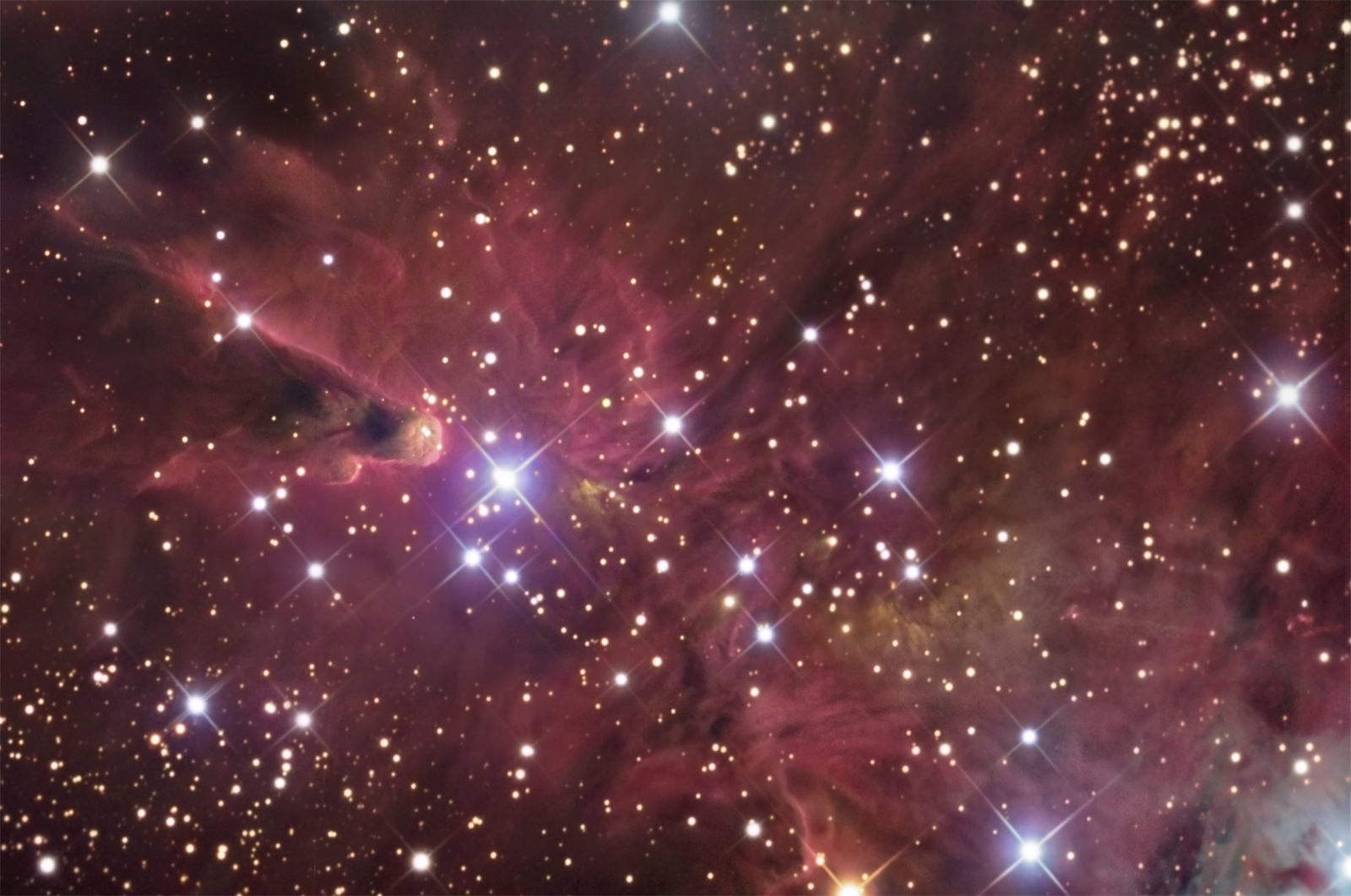
| The Foxfur, Cone Nebula and Christmas Tree Cluster (NGC 2264) in Monoceros A six panel mosaic |
| |||||||||||||||||||||||||||||||||||||||||||||||||||||||||||||||||||||||||||||||||||||||
|
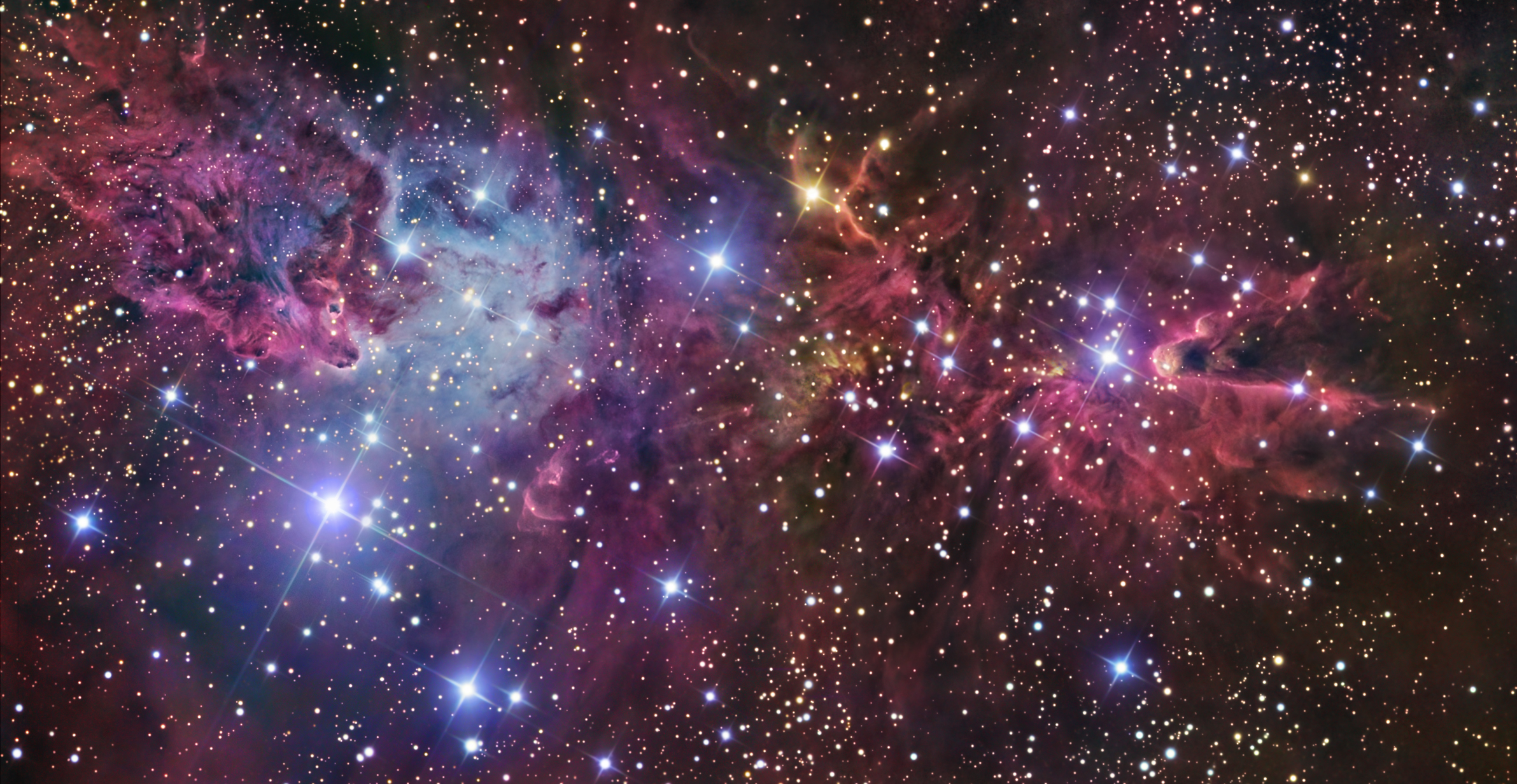
At the end of each calendar year, the constellation of Orion can be spotted throughout the night by simply facing the sky to the south. For those who live near or in the Southern Hemisphere, Orion is an obvious sight flying high over head. Off the left shoulder of Orion lies Monoceros, the constellation of the mythical Unicorn. Hidden within this somewhat unremarkable asterism of stars is a truly magical place- a stellar nursery where new stars are actively being formed. It contains three astronomical subjects which were captured in this set of images and are individually described below.
The Fox Fur Nebula The blue hues seen in the Fox Fur Nebula originate from a cloud of microscopic dust particles, far smaller than the stuff in cigarette smoke, that surrounds the bright stars seen here. Generally speaking, cosmic dust is the debris of a stellar explosion. Over millions and billions of years, dust particles drift from the scene of their violent creation, mix with the hydrogen and helium gas that's abundant throughout the Universe and form an thin, optically transparent cosmic soup. The mutual gravitational attraction of one dust particle to another (or the shock-waves of a distant supernova explosion) can gently gather and thicken this thin celestial broth until it becomes an thick, opaque cloud spanning hundreds or thousands of light years across. As the vast cloud continues to contract, it can begin to incubate new stars and form planets. Incredibly, microscopic, seemingly insignificant, free floating dust grains are the seeds from which much of the world that surrounds us springs. Dust particles are also the progenitors of planetary inhabitants (you and me), too! Interstellar dust has several optical properties that are also of interest when it comes to viewing a deep space picture. For example, the blue tint in the dust cloud and the color of Earth's skies were created by the same process! When light from the sun strikes the Earth's atmosphere, some is reflected back to space but some of it bounces around within our atmosphere before a glancing eyeball detects it. This bouncing is known as Raleigh scattering. Here's how it works. Light is arranged into waves of weightless particles called photons. The distance between the tops of wave crests is different for each color. For instance, blue light has a shorter distance (or wavelength) between its waves than red light. When light strikes an object larger than its wavelength, the wave bounces off and the color is reflected. Since the molecules of oxygen and nitrogen in our atmosphere are larger than a wavelength of blue light but smaller than a wavelength of red, the gas in our atmosphere reflects blue light while the other colors in sunlight, including red, simply pass through. A similar situation creates the blue hues seen in the For Fur picture. Instead of atmospheric gasses, however, the blue scattering comes from infinitesimally small interstellar dust particles that are large enough to reflect blue light but too small to bounce red. The Cone Nebula Sometimes the dust within a cloud becomes so thick that it prevents light from passing through to the other side by absorbing it. Such is the case with the Cone Nebula. Though you might never guess it, the scale of this image is huge! For example, the towering Cone Nebula stands about seven light years in length! We see it partially silhouetted, back illuminated by stars that shine on its far side. The propensity of red hues seen in this picture are the result of hydrogen gas glowing in the ultraviolet light of the bright stars positioned above the tip of the Cone. When ultraviolet light strikes a molecule of hydrogen, one of the molecule's electrons are knocked out of orbit around its nucleus. When that electron is later recaptured by another molecule of hydrogen, a photon of red light is released. The Christmas Tree Cluster mosaic The Christmas Tree Cluster of stars takes its name, not from its shape, but from the brightness of its individual members- they illuminate the surrounding area with the sparkle of a lit Christmas tree display. This image was created by stitching six separate photographs, featuring over 52 total hours of exposure, into a single seamless mosaic. The exposures were taken during the fall of 2008 by R. Jay GaBany (Cosmotography.com) through a remotely controlled 20 inch Ritchey-Chretien telescope using a large format SBIG STL-11000 camera. |
|||||||||||||||||||||||||||||||||||||||||||||||||||||||||||||||||||||||||||||||||||||||
| The Northern Pinwheel- M101 in Ursa Major |
| |||||||||||||||||||||||||||||||||||||||||||||||||||||||||||||||||||||||||||||||||||||||
|
Cerulean blue and lovely, clothed in a thin veil of clouds, Earth twirls a path through a Universe immense beyond our most unbridled imagining. Each night, a star-dusted ever widening expanse reveals itself overhead and every night, since before recorded history, people across the globe look up and wonder about its extent, purpose and functioning. The ancients saw patterns of gods and mythical creatures and assumed that humankind dwelt at the center of everything that is. Grudgingly over the eons that passed, the truth became much more evident- Earth was but one of nine planets circling an unremarkable star that was, itself, just one of over four hundred million suns tracing a path around the center of one out of ten billion other galaxies.
Most galaxies are great stellar gatherings bound together by threads of gravity that have been shaped into great, glowing disks. In the night skies of our planet, the star-studded plane of the disk form a dim river of light that gives our galaxy its name- the Milky Way. So huge is our home Galaxy, that if it were reduced to the size of the United States, the Earth would be far smaller than the smallest dust fragment- barely visible in an electron microscope! On the grandest scale, the Universe is filled with structures that resemble the shape of enormous soap bubbles. Occasionally, where the edges of one bubble meets another, herds of galaxies can be found, held together by mutual gravitational attraction. The Milky Way presides over one of these collections along with another spiral galaxy, two million light years distant, that can be seen with the naked eye from relatively dark locations toward the constellation of Andromeda. Over thirty other smaller galaxies can be found nearby and combined, they, our home galaxy and the spiral in Andromeda form, what astronomers call, the Local Group. Our group is, in turn, surrounded by other galactic aggregations. One nearby bunch, consisting of nine galaxies, is dominated by the subject of this photograph. Known as the Northern Pinwheel or Messier 101, this enormous spiral collection of stars, gas and dust is located about 27 million light years from Earth and spans over 170 thousand light years from one side to the other! Spiral galaxies, like the Northern Pinwheel, share many aspects in common with the Milky Way- the most prominent being a conspicuous set of expansive, glowing spiral arms extending from a compact central region. Spiral galaxies represent about three quarters of the galactic population observed throughout the Universe. They have long been the subject of intense scrutiny because they present science with a tantalizing riddle- the spiral arms that represent their most striking characteristic should not exist in such great numbers. On first impression, their spiral shape appears to be the result of the galaxy's natural spin- like a swirl of cream stirred into a cup of coffee. However, the speed of stars that orbit around the galactic center vary according to their distance from the galaxy's middle- the outer stars move much slower than those close in. The inner stars and gas that surround and accompany them, can make half a dozen orbits before the outer stars and material can circle once. This is known a differential rotation and it can form a spiral pattern in just a few turns but, over time, the pattern should smear just as well-stirred coffee quickly turns uniformly lighter brown. Therefore, the spiral arm structure seen in galaxies should be transitory on the cosmic scale. Instead, they persist. The mechanism that created the spiral arms seen in this galaxy and others, like our Milky Way, is known as a gravitational density wave. By definition, a wave is the movement of a disturbance through a medium- it is not the movement of the material itself. For example, as a boat moves through water, it disturbs nearby water molecules which, in turn, bump into molecules next to themselves and so on. This forms a wave pattern within the water but very little water actually moves with it. Similarly, a galactic density wave is a spiral shaped disturbance that moves through the galaxy's disk. The stars, gas and dust within a galaxy orbit the central region at various speeds but all of this material travels about the center faster than the gravity density wave. Periodically, the material catches up with and falls into the slower moving gravity wave, much as a knot of cars might form around a large, slow moving truck on the highway. Over time, the stars, with mass and momentum of their own, pass through the wave and resume their original speed but the gas that accompanies the stars tends to accumulate, compress, collapse under their own weight and ignite as new, hot stars- this, in effect, lights up the spiral structure like a Christmas tree! Thus, material that constitutes a galaxy's spiral arms are comprised of entirely different material than the arms of the same galaxy millions of years later. This 16 hour exposure was taken over a period spanning two years by R. Jay GaBany (Cosmotography.com) from his remotely operated observatory in the mountains of south central New Mexico. It was taken through a 20 inch Ritchey-Chretien telescope with an eleven-mega pixel camera. |
|||||||||||||||||||||||||||||||||||||||||||||||||||||||||||||||||||||||||||||||||||||||
| The Southern Pinwheel- M83 in Hydra |
| |||||||||||||||||||||||||||||||||||||||||||||||||||||||||||||||||||||||||||||||||||||||
|
We are very fortunate, and perhaps gifted, to inhabit a planet near a star that's not very interesting. Our Sun has been relatively monotonous for billions of years. This is a vital quality for any star to spawn and support life. But, there are many suns that do not have this characteristic. Some of those other suns regularly, some others without warning, increase their radiance by outpouring dramatic quantities of increased solar energy.
During our Sun's eleven year sunspot cycle, the amount of radiation released changes by only about one tenth of one percent. Stellar monotony is an important characteristic for the development of habitable environments- suns need to be constant over the millennia thus humankind is fortunate. Like our Sun, most stars are stable, but a significant minority experience large luminosity swings that produce grave consequences on nearby orbiting planets and any life that they may be attempting to harbor. The Milky Way galaxy, considered in its entirety, has also provided the Sun and our home world with a safe, sheltered galactic habitat so that our planet's long evolutionary path could lead to us. This is not meant to ignore the exotic forces within our own star system that surround and would obliterate humankind were we not protected by the safety of great distance. But one only has to look outward beyond the embrace of our galaxy's spiral arms to see other Island Universes that are much less nurturing! Some of the external star systems with a less hospitable climates are called start burst galaxies because they contain a bewildering number of hot, bright new Suns. Like a galactic Ole Mother Hubbard, they have far more stars than most- producing them over one thousand times faster than the Milky Way, starburst galaxies are bursting with excessive energy. How does this calamity happen? Let's recall that stars begin as unbelievably large, thin clouds of hydrogen and dust that drift throughout the interior of galaxies. When waves of energy released by a distant supernova reaches the boundary of one of these clouds, for example, its surface is slightly squeezed inward. Something like this is all it takes for an inter-stellar cloud to loose its stability and start falling in upon itself. Over eons, the collapse accelerates as gravity within the condensing cloud becomes irresistible. Eventually, the pressure at the cloud's center will start to raise its internal temperature and when the heat becomes sufficiently hellish, a thermonuclear explosion is triggered. Incredibly, over a million years may pass before an external observer would sense the initial blast as a burst of light. The outward force of the nuclear chain reaction within the heart of the cloud is usually sufficient to stop the cloud's compression so that what began as a dark thin vapor becomes a luminous star brightening the heavens. Inter-stellar clouds seldom form single stars. More typically, stars are created, like cookies, in batches. New star clusters with hundreds of stellar constituents is not uncommon- as the first stars ignite, their shock waves reverberate throughout the cloud and place additional pressure on their unborn siblings causing them to illuminate more rapidly, in relatively quick succession. But, consider a circumstance where the amount of material to stimulate new star production is so vast that it forms tens of thousands of massive new suns within a short time span- and does this repeatedly. This condition can happen if a star forming region has access to a virtually inexhaustible supply of fresh hydrogen gas. Such bazaar conditions exist within galaxies that have gone starburst. Galactic starburst behavior can originate with the merger of two galaxies or from a near-miss, close encounter of one galaxy with its neighbor. Some scientists also believe that super-massive black holes, which are common at the center of most galaxies, can create the circumstances needed for a galaxy to commence feeding upon itself without outside intervention. About half of the spiral galaxies within observational reach of our current technology have a curious elongated bar-shaped structure- even the Milky Way is now thought to have one! These bars are enormous rivers of gas, dust and stars running through the galaxy's center connecting the spiral arms on either side. The bars affect both the motions of stars and interstellar gas throughout the galaxy. For example, astronomers believe the bar acts like an enormous feeding tube that draws gas inward from the galaxy's spiral arms thus fueling the unbridled creation of massive, hot bright stars at their centers. The bars are generally thought to be the result of gravitational density waves that radiate out from the galaxy's center altering the orbits of the inner stars. Over time, the effect extends to stars farther from the galaxy's heart thus galactic bars may, in fact, be temporary structures and the starburst condition may, also, be just a passing phase. Interestingly, density waves also give rise to the spiral structures that grace a large proportion of galaxies. Regardless, many barred spiral galaxies are seen to exhibit abnormally active central regions such as the galaxy featured in this image of M83. Stars in the Milky Way arise and expire in a, more or less, predictable manner. Conversely, star birth and death in a starburst galaxy resembles detonations at an stockpile of explosives! Short-lived and incredibly massive, stars formed within a starburst galaxy ultimately self-destruct in a titanic supernova blast- often these stars consume so much of their nuclear fuel that they are kindled and extinguished before making more than a single revolution around the galaxy's middle. These conflagrations raise the temperature of the surrounding gas to millions of degrees and leaves the area littered with exotic stellar carcasses like neuron stars and black holes. Many astronomers contend most galaxies endured a starburst period when the Universe was younger and galactic mergers were more commonplace. Massive winds are incited when galaxies combine and these subsequently help distribute heavy elements, like carbon, oxygen and iron throughout the Universe. But, suppose our planet existed inside a starburst galaxy such as M83- how would the Milky Way appear from Earth if it were to go starburst? Our planet is located about half-way from our galaxy's central region. From this vantage point, our view of the Milky Way is partially obstructed by dark gas and dust clouds that are local components of the spiral arm we occupy. Still, its possible on clear, moonless summer nights to step outside and view the bulge of stars forming our home galaxy's hub. To see this personally, you need an unobstructed southern sky view towards the constellations of Scorpio and Sagittarius. When it rises to its greatest height, the Milky Way's center forms a broad, elongated glowing bulge occupying a few percent of the sky. It's best appreciated when seen from a dark location far from city lights. Barely perceptible from urban areas, it can take your breath away when observed under ideal conditions. If our own galaxy were to enter a starburst period, then our view of its inner most region would dramatically change- our overwhelming impression would be of a significant brightening in the Milky Way's appearance. Daylight sightings would not be uncommon. Unfortunately, our view would be rather short lived because by the time we realized our galaxy's new condition, our planet would have already been subjected by all kinds of lethal high energy radiation from the furious stellar activity occurring at galaxy's center. Sooner or later, living things on Earth would start to feel the effects and slowly, but eventually, life, at least above the microbial level and even most of that, would be extinguished. No one wants to be near a starburst galaxy, much less within one! We are lucky to be circling an unremarkable star in an unpretentious galaxy whose primary significance is that they foster the home world of the only intelligent life that we know, for sure, exists in the vast Universe- we, the human species! Also shown is a two-panel mosaic comprised of 2006 and 2007 luminance exposures that represent the "brightness" or monochrome signal recorded by the camera. This extremely stretched, very deep image was used for a proposed research project to determine the nature of the large loop seen near the bottom of the picture. First seen by David Malin in an image produced at the Anglo-Australian Observatory, subsequent investigations involving the GALEX ultra-violet telescope and, more recently, the Very Large Array in New Mexico, suggest that this structure is most likely part of an extensive set of faint, far flung spiral arms belonging to M83. R. Jay GaBany (Cosmotography.com) obtained this more than fourteen hour exposure between May and June of 2006 with additional exposures taken in April 2007 from over seven thousand feet above sea level in the mountains of south central New Mexico. The image was taken through a remote controlled 20 inch Ritchey-Chretien telescope using an eleven mega-pixel camera. |
|||||||||||||||||||||||||||||||||||||||||||||||||||||||||||||||||||||||||||||||||||||||
| Greetings from Spain |
| |||||||||||||||||||||||||||||||||||||||||||||||||||||||||||||||||||||||||||||||||||||||
|
A complete set of .JPG images from my trip to gather science images with the historic 2.5m. Isaac Newton Telescope at La Palma between March 30 and April 6, 2008. The set includes images taken by myself, by one of my companions and from a member of the audience present at a presentation given at the Science and Space Museum of Tenerife.
Click here to read the web-site article. |
|||||||||||||||||||||||||||||||||||||||||||||||||||||||||||||||||||||||||||||||||||||||
| The Ghost of a Dwarf Galaxy: Fossils of the Hierarchical Formation of the Nearby Spiral Galaxy NGC 5907 |
| |||||||||||||||||||||||||||||||||||||||||||||||||||||||||||||||||||||||||||||||||||||||
|
Over the past few decades, scientists have come to recognize that the amount of material visible to our telescopes is insufficient to explain all of the phenomenon we observe. Science has labeled this invisible material as Dark Matter- 'dark' because it cannot be detected or directly measured with today's technology. Its presence, though, can be inferred from the way galaxies rotate: their stars move so fast they would fly apart if they were not being held together by the gravitational attraction of some unseen material. Interestingly, Dark Matter is now estimated to comprise 80% to 85% of the Universe.
During the nineteen eighties, leading astronomers and astrophysicists subscribed to a Hot Dark Matter theory that. if stated very simplistically, purported the galaxies seen today are fragments of much larger bodies that formed early in the history of the Universe and later broke off into smaller pieces. For example, they believed that large galactic super clusters formed first in flat pancake-like sheets and subsequently fragmented into smaller entities like our galaxy, the Milky Way. The theory also conjectured that Dark Matter was energetic and therefore relatively hot. A newer theory has since come into common acceptance based on a view that the particles comprised by Dark Matter have very little movement and are therefore relatively cold. The Cold Dark Matter theory describes the formation of today's galaxies as being hierarchical in nature. In other words, small objects collapsed and merged in a continuous hierarchy that forms more and more massive objects. Thus, according the Cold Dark Matter theory, galaxies formed through the accretion of material. As of 2008, most cosmologists favor the Cold Dark Matter paradigm as a description of how the universe went from a smooth initial state to the lumpy distribution of galaxies seen today. However, two discrepancies exist between the Cold Dark Matter paradigm and our observations of galaxies, including their organization throughout space:
This new photograph was included in a scientific investigation conducted by a group of astronomers the author works with. This international team of researchers is lead by Dr. David Martínez-Delgado who is a astrophysicist with the Instituto de Astrofísica de Canarias (IAC) in Spain. The result of their studies suggest this image provides evidence that may help explain the absence of dwarf galaxies required by the Cold Dark Matter theory- perhaps some of them have been disrupted and absorbed by their larger galactic companions. Perhaps fewer satellite galaxies, than expected, have been observed because many of them have already been destroyed and their remains can only be seen with very long telescopic exposures. The data used to prepare this image was originally exposed back in 2006. It formed the basis of a previous picture that I released shortly after the exposures were taken. However, the presence of the structures you will see in this new image were suppressed in my original release pending the team's research. Now that their investigation has concluded and a scientific paper submitted for publication to the Astrophysical Journal, the embargo on this picture has been lifted. It displays a distant galaxy in the northern constellation of Draco. The galaxy is about 39 million light-years from Earth so our view is extremely ancient. This picture, for the first time, reveals looping contrails representing the former orbit of a small satellite galaxy that was disrupted and possibly absorbed by the larger galaxy. For a complete description of the team's investigations and conclusions please download and review the following PDF document:
http://www.cosmotography.com/images/ngc5907_def.pdf
|
|||||||||||||||||||||||||||||||||||||||||||||||||||||||||||||||||||||||||||||||||||||||
| The Discovery of a Giant Stellar Tidal Stream Around NGC 4013 in Ursa Major |
| |||||||||||||||||||||||||||||||||||||||||||||||||||||||||||||||||||||||||||||||||||||||
|
I believe chance plays an important role in our lives and I define luck as those times when chance places you at the right place, at the right time. Therefore, I consider myself to be very lucky that I am working with David Martínez-Delgado of the Instituto de Astrofísica de Canarias (IAC) on several projects- this one being the first to reach a conclusion.
David and his international team of astronomers are fascinated with the evolution of galaxies. They are interested in the way island universes grow and evolve by disrupting and absorbing smaller satellite galaxies. When a small galaxy is captured by the gravitational pull of a large spiral, for example, it usually leaves a thin, faint trail of dust, gas and stars as its orbit decays. Because my New Mexico telescope is more readily available than most professional instruments, I have been able to take extremely long exposures with relatively high resolution that sometimes capture these ghostly tale-tale remains. During a period that stretched from late November to late December, 2006, David asked me to capture a deep exposure of NGC 4013. A few months following these sessions, I finalized an unremarkable image of this galaxy based on the data I collected. However, that image did not reveal all that it contained- it suppressed an extremely faint surrounding structure that the team wanted to investigate and independently verify. Since that time, deep images of this galaxy, taken with the Kitt Peak National Observatory .9 meter and the 2.5 meter Isaac Newton Telescopes, have corroborated the existence of this large, dim ring. Therefore, as described in a paper that was recently submitted to the Astrophysical Journal for review and publication, the team has asked me to share with you the discovery of a giant, low surface-brightness loop-like stellar structure around the edge-on spiral galaxy NGC 4013. The detection of this loop-like structure has been independently confirmed in three separate data sets from three different telescopes. Color comparisons of the stream material to the outer parts of the galaxy's disk suggests that this loop did not originate from the disk itself, but rather is the tidal stream of a dwarf galaxy being destroyed in NGC 4013's gravitational potential. Although its true three-dimensional geometry is unknown, the projected tidal loop displays a very good overall match with the external edge-on perspective of the Monoceros tidal stream in the Milky Way predicted by recent N-body simulations (Peñarrubia et al. 2005). The team's results demonstrate that NGC 4013, previously considered an isolated disk galaxy, is in fact undergoing a tidal encounter with a low-mass satellite. The discovery of this giant stellar stream also demonstrates that the outskirts of nearby spiral galaxies may still contain the fossils from their hierarchical galaxy formation. This is in agreement with cosmological models found in the Cold Dark Matter paradigm- galaxies are built up, inside-out, by accreting smaller subsystems. Although the origin of galactic warps is still unknown, it was initially proposed that the gravitational perturbations induced by satellite galaxies may cause their formation. Mathematical modeling called this interpretation into question, so other explanations have subsequently been offered over the years. For example, warps may arise from the interaction between a stellar disk and its dark matter halo, bending instabilities, intergalactic accretion flows onto the disk, or cosmic infall. Significantly, the absence of tidal material has often been invoked as a reason to dismiss the tidal origin of galactic warps. NGC 4013, with its prominent, and rather symmetrical warp, along with a really unassailable indication of a past merger event, provides an important counter-example to the above arguments; indeed, NGC 4013 may well be the Rosetta Stone for warp theories, since, morphologically, the warp and the merger debris seem so closely aligned. Interestingly, the existence of warped galaxies that have experienced the recent accretion of one or more satellites suggests that these kind of events may influence the formation of warps more efficiently than the perturbations from satellite galaxies moving in highly eccentric, near polar orbits. For a complete description of the team's investigations please download and review the following PDF document: http://www.cosmotography.com/images/ngc4013_ms.pdf
This image was photographed by R. Jay GaBany (Cosmotography.com) between November and December 2006 and represents almost 15 hours of total exposure through a twenty inch Ritchey-Chretien telescope with a SBIG STL-11000 eleven mega-pixel camera. The observatory is located high in the Sacramento Mountains of south central New Mexico.
|
|||||||||||||||||||||||||||||||||||||||||||||||||||||||||||||||||||||||||||||||||||||||
| NGC 3372 in Carina |
| |||||||||||||||||||||||||||||||||||||||||||||||||||||||||||||||||||||||||||||||||||||||
|
Because distance and time are inexorably intertwined, the scene in this new image is actually a view looking back 8,000 (light) years into the past! Located within our home galaxy towards the southern constellation of Carina, the subject of this image is only visible in the night sky if the observer is standing somewhere on the earth below 27 degrees north latitude- cities like Miami, Honolulu, Hong Kong, Mumbai are examples of how far to the south northerners would have to travel before they could see it.
This picture depicts the center of the Great Nebula in Carina- one of the Milky Way's brightest and most prolific star forming regions. Over its estimated three million year history, this nebula has spawned several clusters of gigantic, hot, blue-white stars that litter the image like confetti at a New Year's celebration. The bizarre structure near the center of this view is actually a cooler cloud of dust and bright filaments of hot, fluorescing gas that is partially silhouetted against a background of brighter, even more energized material. Even though I imagine its distorted shape to resemble a partially melted hour glass, it is commonly known as the Keyhole Nebula. The size of the objects that have been captured in this picture are off our human scale for easy comparison. For example, it takes light, traveling at 681 million miles per hour, seven years to travel from one side of the Keyhole Nebula's spherical head to the other! The bright star near the bottom of the image, however, was the inspirational germ for this project. It is the most massive nearby star that can be studied in great detail and many astronomers consider it to be one of the most massive stars in the universe! The star is named Eta Carinae (pronounced /ke 'rain i/), and some believe it may also pose a threat to our planet! Eta Carinae is over one hundred times more massive than our Sun and it's over a million times more brilliant. In fact, this star releases so much energy that its gravity can barely hold it together- the outward flow of radiation from its interior is unbelievably strong. Vast portions of its outer layers are being blown off into space forming an ever expanding wispy shroud in a slow, non-stop eruption of incredible violence. Stars like this are extremely rare- only a few dozen exist within any island universe. Because of their high luminosity, very large stars, like Eta, burn through their fuel rather quickly and end their lives as a super or hyper nova explosions that out-shine the combined light of all the stars in their host galaxy. Where the luminous life of a star like our Sun will span about ten billion years , super massive stars, like Eta Carinae, only shine for a few million, at most. Because of its prodigious mass, Eta Carinae is highly unstable and prone to violent outbursts that seem to occur in irregular, unpredictable cycles. This behavior first caught the attention of astronomers back in the 18th century. Edmond Halley, who first predicted the return of a bright comet, cataloged Eta Carinae as a fourth magnitude star in 1677. That's about the same brightness as the star that's located at the position where the handle meets the ladle in the northern sky's constellation of the Big Dipper. Interestingly, over the next hundred years, observers reported that Eta brightened considerably before mysteriously returning to the same relative obscurity that Halley had previously noted. Around 1820, Eta again started to increase in brightness and by 1842, it had become the second brightest star in the sky- only Sirius, the brightest star seen from Earth, displayed more brilliance to earth bound eyes. To provide some perspective, Sirius is much closer to our planet, only 9 light-years away compared to Eta's 8,000 light-year distance. However, if both stars were located side-by-side, Sirius could be represented as a single candle flame with the combined output of over eight 100-watt light bulbs substituting for Eta! Over the next 100 years, Eta again faded until it was totally invisible to the naked eye by the 1920's. At the end of the 20th century and again, early in 2007, Eta's luminosity cycled through a period of increased brilliance. All of these episodes were unexpected, by the way. Most astronomers concur that this star is a ticking time bomb already triggered to explode. Unfortunately, no one can confidently predict how much time remains until the countdown reaches zero- maybe, in a million years, possibly only a thousand. A few have suggested that Eta Carinae will self-destruct during our lifetime. But, nobody knows for sure. Perhaps it's already been annihilated and the concussion, limited to traveling at the speed of light, has simply not reached us, yet. Remember, even though this picture is very recent, it portrays a view that dates back to the mankind's prehistory! Even the Sun's rays take eight minutes to traverse the Earth's distance. Distance and time are woven into a cloth that blankets the Cosmos. Very little we observe beyond the horizon is in real time. Regardless, sequestered at the bottom of our atmosphere, we would be safe from Eta's fury were it to strike us, say, tomorrow evening. Our orbiting satellites, our upper ozone layer and astronauts in the International Space Station, of course, would most likely be less fortunate. Recent, high resolution images produced through the Hubble Space Telescope have revealed this star's immediate surroundings in jaw-dropping detail. Two gigantic lobes of material are expanding like giant balloons from both poles and its equator is ringed by an ever-broadening disc of far flung material. These structures are the suspected artifacts of the brightening observed during the 1800's. One of the motivations for this image, was a desire to see if the lobes surrounding Eta Carinae could be glimpsed with a modest telescope and commercially available astronomical camera. Chief among the challenges was the requirement to tame the brightness of Eta Carinae so that the surrounding lobes would not be lost in the star's glare. Several filters were used to produce this picture, for example, red, green and blue captured the hues needed to reproduce the natural colors of the scene. I use these for all of my projects, so their inclusion is nothing noteworthy. But, for the first time, I also used a set of special astronomical filters that are tuned to limit the light reaching the camera to those wave lengths associated with the natural glow emitted by atoms of hydrogen, oxygen and sulfur which are abundant in most interstellar nebulae. By carefully combining separate images produced with each of these six filters, I was been able to produce an picture that not only displays how this scene appears, but the colors also give an indication of what the scene is made of! Exaggerated blue hues indicates the presence of oxygen, red represents sulfur and turquoise reveals the signature of hydrogen atoms. As a side benefit, the sulfur filter enabled me to control the glare from Eta. Thus, the surrounding lobes were successfully resolved. This picture as produced by R. Jay GaBany (Cosmotography.com) through 12.5 inch Ritchey-Chretien telescope located in Scoresby, Victoria, Australia- about 50 miles east of Melbourne- and a SBIG STL-11000 camera. The equipment was remote controlled via the Internet from the photographer's home in San Jose, California, USA between April and June 2007. | |||||||||||||||||||||||||||||||||||||||||||||||||||||||||||||||||||||||||||||||||||||||
| NGC 891 in Andromeda |
| |||||||||||||||||||||||||||||||||||||||||||||||||||||||||||||||||||||||||||||||||||||||
|
On the next available clear night, take a break, walk outside and look up for a few moments then let your contemplations move you from this bright star to that brilliant planet swimming above your head. Whether standing or seated, your daily cares can, at least temporarily, recede as you gaze into the deep recesses that form the dark face of forever.
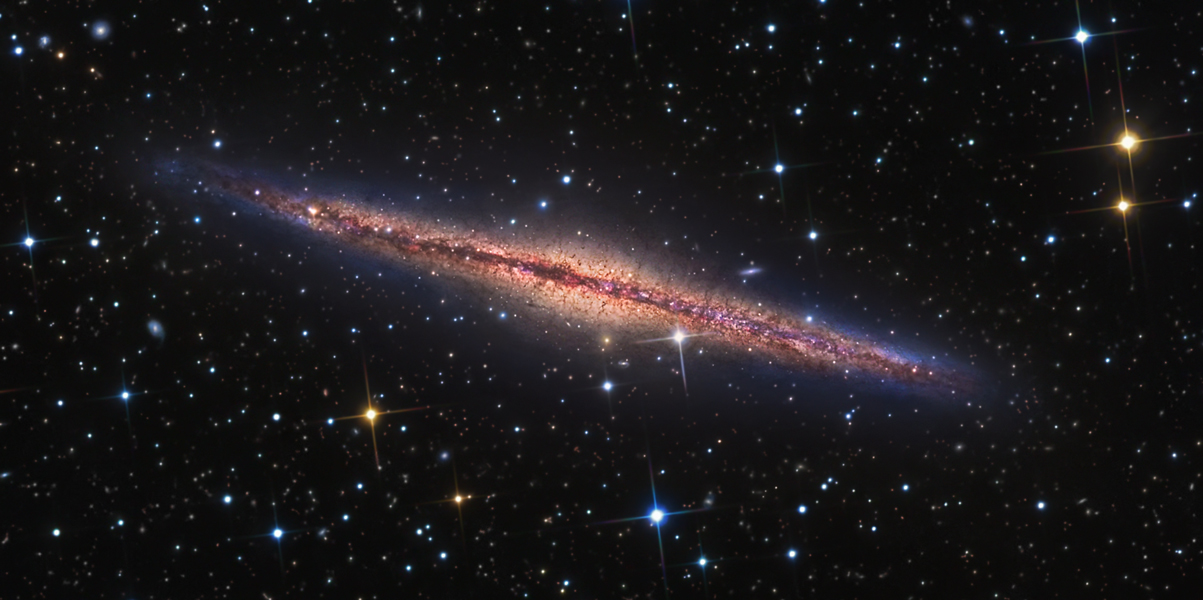
Slowly, perhaps, you'll begin to notice new stars peeking over the roof or tree tops where, minutes ago, dark sky existed. Although the ancients mistakenly assumed that the sky was in motion, we now take for granted the fact that it is we that are on the go. For example, over the course of about four minutes, the Moon will seem to pass through a distance equal to its diameter. The minute hand on a clock appears to move much faster than the parade of stars marching through the sky at night. Yet, all of this is an illusion- even now all of humankind is traveling at an unimaginable speed although none of us have any sensation of this epic journey! For example, since the circumference of the Earth is about 25,000 miles and because it rotates once every twenty-four hours, a person standing at the equator is actually moving at about 1,000 miles per hour, which is considerably faster than the speed of sound. Since the Earth rotates from West to East, it would take a jet flying at Mach 1.6 towards the West to counteract this effect and keep the Sun stationary in the sky. For half the day we travel closer to the distant stars and for the other half, farther away. Of course, distance north or south relative to the equator has the effect of reducing your actual speed. For instance, people in Calgary, Alberta, Canada are moving at the sub-sonic speed of only 650 miles per hour. The Earth and Moon spins around a common center of gravity which is located about three-fourths from the center of our planet. This imparts a small increase in speed of about twenty-five miles an hour. But, this is a comparatively trivial amount of motion. Of course, the Earth is in orbit about the Sun- a 585 million mile journey that takes a year to navigate. During a given day, the Earth will move slightly over two hundred times its diameter. This translates to about 67.000 miles per hour or over ninety times the speed of sound! The Sun is also in motion about the middle of our Galaxy. Located approximately two-thirds from the Milky Way's center, our Star makes one revolution about every 250 million years. This means our solar system has completed an estimated eighteen orbits during the Milky Way's 4.5 billion year history! To accomplish this feat requires a tremendous amount of speed- about 450 thousand miles per hour! This is almost seven times the speed of our planet's movement around the Sun and about 430 times the speed of the Earth's rotation at the equator! But, the Milky Way is not stationary, either. For example, our Galaxy and the Great Galaxy in Andromeda (M31) are approaching each other at about 900 thousand miles per hour! The Milky Way and Andromeda Galaxies are both members of the Local Group of galaxies. The Local Group contains over thirty (relatively) nearby island universes of various shapes and sizes. This group is one of several (also relatively nearby) galactic gatherings that, in combination, form the Local Supercluster of galaxies. Interestingly, our Supercluster is moving toward something called the Great Attractor- a source of gravity with incredible strength equivalent to the mass of tens of thousands of island universes. There are other galactic superclusters and each are racing from each other at an increasing rate due to the expansion of the Universe! It would be possible to summarize the effect of all of these motions if their speed could be compared with something stationary- this is similar to measuring an automobile's speed relative to a static road beneath its tires. Such a ruler exists and it's called the Cosmic Microwave Background (CMB) radiation. This is the residual noise from the Big Bang- the event that most scientists now regard as the origin of our Universe. Highly sensitive satellites have been able to detect a slight variance in their measurements of the CMB using the Doppler shift imparted by the Earth's relative movement. The enormous distance of the CMB makes it an essentially immovable stake. Therefore, we are now able to estimate that our local group of galaxies (which contains the Milky Way, our Sun, our planet and all of its inhabitants) is moving with the expanding Universe at a speed of about 1.3 million miles per hour! Travelers on commercial jet aircraft have little sense of movement as they stretch their legs to, say, visit the restroom- yet, their seat seems where they left it upon return even though it has moved tens of miles during the time that intervened during their absence. We, too, are unaware of our planet's motion- each morning we awake in familiar surroundings unsuspecting that we are more than 31 million miles from where we arose the day before! In one of the groups of galaxies that share our Local Supercluster, there lies a spiral galaxy that is tilted towards our line of sight so that we can only glimpse its profile. It's a favorite target for visual stargazers because its relative brightness allows views of its disk's central dust lane through modest telescopes. Known as NGC 891, this galaxy can be spotted towards the constellation of Andromeda during the northern hemisphere's fall season. It's wracked by furious new star production as evidenced by the jets of dust and gas that gush like geysers vertically above and below the dust engorged edge of its broad, flattened disk. Eventually, these streams slow their vertical ascent, shift to a horizontal orientation high above the galaxy's plane and, over time, rain inward to serve as material for future stellar births. This new image displays these trails of dust quite clearly. Located about 30 million light years from Earth, NGC 891 is one of the most photographed edge-on spiral galaxies in the northern skies. This image was photographed by R. Jay GaBany (Cosmotography.com) and represents slightly over twenty hours of total exposure through a twenty inch Ritchey-Chretien telescope with a SBIG STL-11000 eleven mega-pixel camera. The observatory is located high in the Sacramento Mountains of south central New Mexico. | |||||||||||||||||||||||||||||||||||||||||||||||||||||||||||||||||||||||||||||||||||||||
| The Wild Duck Cluster (M11) in Scutum |
| |||||||||||||||||||||||||||||||||||||||||||||||||||||||||||||||||||||||||||||||||||||||
|
Our home Galaxy, the Milky Way, stretches about one hundred thousand light years from one edge of its disk to the other but the distance to our nearest large galactic neighbor, the Great Galaxy in Andromeda, is about twenty three times greater. Looking back from Andromeda's 2.3 million light-year perspective, our Milky Way would appear quite solid when, in fact, the distance between its individual stars is actually quite impressive- on average, stars are approximately four light years apart. The dark space between the stars is not a total void or a perfect vacuum, however. In fact, about twenty percent of the observable material in our Galaxy floats freely between its stellar constituents. This area is called the Interstellar Medium, or ISM, and it fills our Galaxy like an ocean- the stars and planets are surrounded by, interact with and are even formed from it.
The ISM consists of about 99% gas (of which 90% is hydrogen and almost 10% is helium) and 1% dust created by the explosion of ancient stars. However, the density of the Interstellar Medium is extremely tenuous- on average, it contains only a handful of atoms per cubic centimeter. By comparison, a cubic centimeter of air contains almost a billion trillion molecules of oxygen and nitrogen at sea level. Here's another way to think about this: an "empty" coffee cup filled with the Interstellar Medium would only contain about 500 molecules whereas the same "empty" coffee mug, placed on your desk or kitchen counter, contains about 1,500 quintillion. The dust in the ISM is made of very tiny irregularly shaped particles of silicates, carbon, ice and iron. This dust, by the way, is not the same as those bunnies seen under a couch or bed. It's extremely small and rarely exceeds a few molecules in diameter- cigarette smoke particles are boulders by comparison. The Interstellar Medium is not a static place- it is filled with tremendous turbulence and waves. Some of this comes from stellar wind- material released from the surface of stars along with visible light and other forms of radiation. The ISM is also stirred by expanding shock waves from supernova explosions when massive stars exhaust their nuclear fuel and collapse in a swift act of violence that tears them into shreds. As a result there are areas within the ISM of lesser and greater density. In areas where the ISM is thin, dust can cause light from more distant stars to become reddened as it tries to pass through. In a process that also colors our sunsets, the dust is large enough to reflect blue light but small enough to let red wavelengths simply pass around it. This is called stellar extinction and it causes stars to appear redder than their true color. In areas where the ISM is dense, great quantities of gas and dust can be herded together to form a cloud that spans hundreds of light-years from end to end. Interestingly, if you were inside such a cloud, you probably would not know it without a sensitive measuring device because the distribution of gas and dust is still very thin. However, despite the small amount of material in any given area, these clouds are so vast that they contain substantial mass, often hundreds or thousands of times that of our Sun. Their great size can also make them optically opaque, so that light from more distant stars is completely absorbed and cause the cloud's exterior to appear dark when seen against a backdrop of suns or brighter clouds located much farther away. The same forces that give rise to the ISM's turbulence can also trigger a dense cloud to start collapsing inward under its own weight- but this can also be initiated when two clouds meet and start to merge. Regardless, once the gravitational collapse of a dense interstellar cloud commences, pockets of denser material within the cloud start to grow in size and temperature under tremendous pressure. It is significant to note that dense interstellar clouds rarely produce a single star. They contain such a huge amount of material that, more often, stars are created in batches when the cloud starts to collapse.Seen from the outside, a collapsed cloud can appear dark and foreboding. But, inside they are full of light from the hot, newly formed stars that have been incubated. Over time, the cloud will part or dissipate to reveal a group of new stars. Newly formed stars begin their existence in a gravitational embrace. They huddle together in a close but (somewhat) random formation that is called an open star cluster. Over time, the immense radiation produced by the cluster will blow back the clouds in which they formed and, at the same time, they will start to wander out of the cloud and from each other. Many star clusters are still enshrouded in faint whiffs of the cloud material that spawned them. For example, long exposure images of the Pleiades reveal faint nebulosity- the remains of the amniotic material present at their birth. The number of constituents within a star cluster is based on the size of the cloud and the amount of time that has passed since the group was formed. This can range from as few as ten to over several thousand but many are numbered in the hundreds. Our view of open star clusters, therefore, is just a snapshot. Over time, the cluster will seem to diminish in size as each star begins to go its own way or meet its own fate. But even as they part company, each star continues to travel more or less in the same general direction. Widely dispersed former star clusters are called stellar associations. These groups are more difficult to identify because the distance separating each star can become very large. Perhaps that's why the first association was not identified until 1947, but today, several associations are now known. For example, most of the stars in the northern sky's Big Dipper are actually former members of an open star cluster that have spread out to form an association of suns moving roughly in the same direction. The image is of a young cluster of stars located in the direction of the constellation named Scutum. This tight gathering of stars, known as the Wild Duck Cluster or M11, features about 2,900 individual members- most of them are approximately 250 million years old- the newest stars appear white-blue, the older ones have a yellowed appearance. This group of stars hangs in space about 5,000 light-years from Earth. This stellar collection seems to have more structure than many other open star clusters. Its central area suggests a (somewhat) spherical star ball with a band of stars encircling it. Additional strings of stars cascade outward across the entire image. Behind the open cluster shines about 17,000 much more distant stars that represent a fraction of the sprawling star clouds lining the Milky Way's galactic plane. Located thousands of light years farther away, their hue has been altered by various shades of red from dust in the ISM filling the space between our vantage point and their position in the Milky Way. Deeper reddening indicates denser areas of dust. Note the dark threads that meander throughout the entire scene. These are areas where the Interstellar Medium has sufficient density to block more distant star light. Four very bright stars are also visible in this picture- they are located between Earth and the star cluster. This picture, taken by R. Jay GaBany (Cosmotography.com), resulted when separate images, exposed during August 2007, were digitally combined to create a single image equivalent to slightly more than four hours of total duration. This picture was produced with a 20 inch Ritchey-Chretien telescope using an eleven mega-pixel camera located in Cloudcroft, New Mexico. | |||||||||||||||||||||||||||||||||||||||||||||||||||||||||||||||||||||||||||||||||||||||
| The Lagoon Nebulae M8 in Sagittarius composite image |
| |||||||||||||||||||||||||||||||||||||||||||||||||||||||||||||||||||||||||||||||||||||||
|
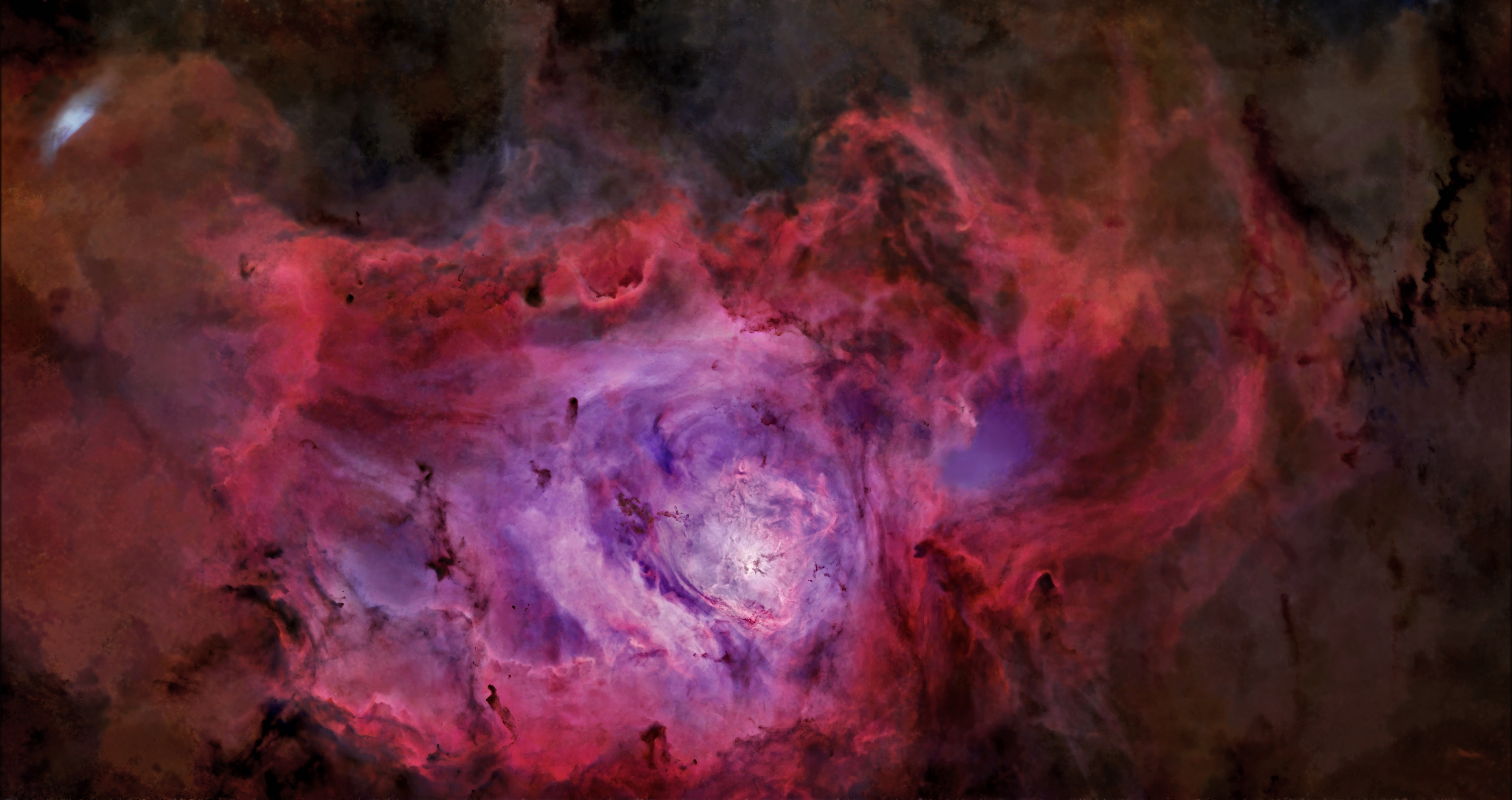
This picture was produced using luminance exposures from a 20-inch Ritchey-Chretien telescope and color information obtained with a 4-inch astrographic refractor. This same photographic information was also used to prepare a wide field image covering this subject's location towards the constellation of Sagittarius. It depicts a close-up of the central area of the Lagoon Nebula, also known as M 8.
The amount of activity in this view is extraordinarily powerful and furious! Enormous jets of energetic dust and gas, hundreds of light years in length, can be seen arcing upward from the bright, towering, central star producing factory. The orientation of this view reinforces the perspective that our Earth-bound glimpse places us above one end of a deep oblong valley of gas and dust hollowed out by the stellar winds blowing from the star nursery that is hanging above. Interestingly, although the Lagoon Nebula is located about 5,000 light years from Earth (which is an enormous distance!), it can be glimpsed with unaided vision from a dark south-facing site during mid-summer in the northern hemisphere. Southern hemispheric observers can spot it by looking overhead during mid-winter. R. Jay GaBany (Cosmotography.com) produced this composite image by combining exposures from two different telescopes located in separate remotely controlled observatories in the south central mountains of New Mexico. Luminance exposures were obtained with a 20-inch Ritchey-Chretien telescope using an eleven mega-pixel SBIG STL-11000 camera while color exposures were gathered with a 4-inch astrographic refractor and a SBIG STL-6303 six mega-pixel astronomical camera. The luminance pictures were exposed during June of 2006 while the color pictures were taken one year later at the end of June 2007. | |||||||||||||||||||||||||||||||||||||||||||||||||||||||||||||||||||||||||||||||||||||||
| The Lagoon and Trifid Nebulae M8 and M20 in Sagittarius composite image |
| |||||||||||||||||||||||||||||||||||||||||||||||||||||||||||||||||||||||||||||||||||||||
|
In his 1980 bestseller, Cosmos, astronomer Carl Sagan famously wrote that there are more stars in the heavens than all the grains of sands covering the world's beaches. His apparent prescience was based, in part, on the premise that a hand full of sand contained approximately 10,000 separate grains. Sagan presented this estimate when astronomy's principal tools were still fixed very firmly to the Earth- it would be another decade before the Hubble Space telescope gave us a view of the heavens, undisturbed by the blurring effects of our atmosphere, that would enable scientists to make a more accurate calculation.
So, was Carl correct? First, consider how many grains of sands cover the earth's beaches. Researchers at the University of Hawaii have actually taken a mathematical stab at this number by dividing the volume of an average sand grain by the volume of sand covering the Earth's shorelines. The volume of sand was obtained by multiplying the length of the world's beaches by their average width and depth. The number they calculated was seven quintillion five quadrillion (that's 7.5 followed by seventeen zeros or 7.5 billion billion) sand grains! Next, consider how many stars fill the Universe. Well, if you were located at or very near the Earth's equator, you would be able to observe about 6,000 individual stars over the period of a year with unaided vision. Of course, there are far more than this visible with binoculars or a small telescope. But, the vast majority that can be seen through small optical instruments would be confined within our own Galaxy because the huge distance to even the nearest galactic neighbor makes spotting their individual stars almost impossible, even through the largest telescopes. So, the best way to count the total number of stars in the Universe is to reckon the population of stars in our own Galaxy and multiply that by the number of galaxies that exist throughout space. To derive an estimate of the stars in our own galaxy, astronomers have to consider both the number of stars we can see at great distance and the number of fainter stars, such as dwarf stars, which are difficult to observe. Red dwarf stars, as an example, are believed to be the most numerous type of star but they are also very dim. It is also estimated that there are about 200 red dwarf stars for every Sun-like star. Anyway, by taking star counts in relatively small-sized samples of the sky, factoring for dwarf stars and extrapolating the apparent area encompassed by the samples, recent computations have placed the number of stars in the Milky Way at around 400 billion, plus or minus 200 billion- hey, what's a few billion between friends :>) But, the Milky Way is just one galaxy. The Hubble Space Telescope is capable of detecting about 80 billion galaxies based on analysis of its pictures. For example, where ever the Hubble points, in all directions, thousands of never before seen galaxies are seen extending far into the distance. So, if we assume that our Galaxy is more or less typical and use the lower estimate, 200 billion, for its total stellar population then multiply that by the number of galaxies within reach of the Hubble Space Telescope, researchers have concluded that there are at least 70 sextillion (that's 7 followed by twenty-two zeros or 70 thousand million million million) stars in the observable universe- this is the latest number as proposed in mid-2003. To put it another way, there are 10 stars for every grain of sand, eleven times the number of cups of water in all the Earth's oceans, ten thousand times the number of wheat kernels that have ever been produced on Earth and ten billion times the number of cells in a human being! This is a staggering number- and it's most likely a very, very low estimate because the number of galaxies filling the Universe is thought to be much larger than those the Hubble can see! All of this is pertinent to the image that depicts two star forming regions, both about 5,000 light years distant, in the direction of the constellation Sagittarius- looking towards the heart of our Galaxy. The picture displays the Trifid Nebula, on the right, and on the left, M8, which is also known as the Lagoon. The picture is very wide; in fact you could fit several moons across its width. Between the two nebulae is a portion of the Milky Way's vast star clouds- most of the distant stars are about three times further away than the nebulae. An application used to prepare these images reported that this picture contains slightly over 29,000 individual stars, by the way! Earth is not located near the center of our Galaxy- we are positioned about half-way to the edge of the Milky Way's flattened, spiral shape and therefore any view of the its central region is occluded by vast clouds of dust that hang along the spiral arms we must look through. Thus, a large proportion of the stars in this picture appear reddened. Many of the bright blue stars are newly formed, most likely, from the two nebulae seen in this image and are thus much closer to us. R. Jay GaBany (Cosmotography.com) produced this composite image by combining exposures from two different telescopes located in separate remotely controlled observatories in the south central mountains of New Mexico. Luminance exposures for the central Lagoon Nebula and both color and luminance information for the Trifid area of the image were obtained with a 20-inch Ritchey-Chretien telescope using an eleven mega-pixel SBIG STL-11000 camera. Exposures for the stellar background were gathered with a 4-inch astrographic refractor and a SBIG six mega-pixel STL-6303 camera. | |||||||||||||||||||||||||||||||||||||||||||||||||||||||||||||||||||||||||||||||||||||||
| Stellar Nurseries in Sagittarius (NGC 6559, IC 1274, IC 1275, IC 4685, B303, B91 and GN 18.06.6.01) |
| |||||||||||||||||||||||||||||||||||||||||||||||||||||||||||||||||||||||||||||||||||||||
|
The term nebula comes from the Latin word for mist but astronomers use this word to refer to any gathering of dust and gas that has been herded by gravity in a vast cloud. Nebulae can become exceptionally enormous, by the way, and often span dozens or hundreds of light years from one end to the other!
The principal material comprising a nebular cloud is molecular hydrogen- the simplest and most abundant material in the Universe. In addition, other gases, such as helium, are also present as are great smatterings of atoms that have been ionized by stellar radiation. The final significant constituent in a nebula is copious amounts of dust formed from the remnants of previous stars that have either exploded or thrown off their outer layers during old age. Interestingly, the term dust is broadly applied astronomically- it's not your household variety but grains of material that are only fractions of a micron in diameter. Cigarette or cigar smoke, for example, contains boulder sized particles compared to the dust within these clouds. Nebulae are found throughout the Universe and, other than stars, are the most prominent features visible in a galaxy, In fact, images of distant galaxies are essentially pictures of their nebula, often, arranged into a lovely spiral pattern. Individual stars in far away galaxies, except a handful that are located nearby, are simply too small and dim to be discerned by even our largest telescopic instruments therefore a picture of a galaxy is actually an image of its nebulae. Although nebulae occur in an unlimited number of shapes and sizes, they can be grouped into three broad categories based upon their interaction with light. For example, the dust in a nebula will scatter light shining from one or more nearby stars and cause the cloud to appear blue using the same process that causes our skies to take on a similar hue- dust reflects blue light while red wavelengths are too large and pass around it. These are therefore called reflection nebulae. If the dust within the cloud is in great abundance, it will act like a sponge and prevent light from passing through. Known as absorption nebulae, these take on a dark and somewhat sinister appearance when seen from the outside however, quite often, their interior is filled with the light of hot, newly formed stars that have incubated within. Young, hot stars that release large amounts of ultraviolet radiation can cause the hydrogen gas within a nebular cloud to glow red thus giving rise to the term emission nebulae. This picture features each type of nebula- in fact, it overflows with this stuff! It depicts a scene that is about 5,000 light-years in the distance towards the heart of our galaxy in constellation of Sagittarius. It represents a three panel mosaic of images that were digitally stitched together to form a single picture of two very energetic star forming regions. In addition to nebulae, the image contains several thousand of the over 400 billion stars that fill our galaxy. So, to understand the scale of the cloud formations in the image, consider that each bright point represents a star, most likely, as large or considerably larger than our own sun. Of course, the actual size of the stars that are visible in the picture would appear as pin-points were it not for the bloating brought on by our planet's atmosphere and a photographic artifact that causes brighter stars to seem larger. This image was captured by R. Jay GaBany (Cosmotography.com) over six successive nights between June 15 and 20, 2007 while testing repairs to his telescope and mount. It represents almost 17 hours of total exposure through a twenty inch Ritchey-Chretien telescope with a SBIG STL-11000 eleven mega-pixel camera. His observatory is located near Cloudcroft, New Mexico.
| |||||||||||||||||||||||||||||||||||||||||||||||||||||||||||||||||||||||||||||||||||||||
| NGC 2903 in Leo |
| |||||||||||||||||||||||||||||||||||||||||||||||||||||||||||||||||||||||||||||||||||||||
|
Galaxies are comprised of molecular gas (principally hydrogen and helium), microscopic dust particles and the stars that are created from these materials. Just as the Earth and the other planets travel in an elliptical path around the gravitational center of our solar system (the Sun), the gas, dust and stars that comprise the mass of a galaxy, orbits a gravitational hub found at the galactic center. Although a galaxy appears to be solid when seen in long exposure photographs taken from a great distance, it's actually quite tenuous- the light from more distant island universes can often be glimpsed shining through the discs of nearby galaxies because of the great voids that exist between individual stars.
The speed of a star as it circles the central region of a galaxy is usually not the same as that of the spiral pattern. This is because the orbital speed of the gas molecules, dust grains and stars is relative to their distance from the middle of the galaxy- material in the outskirts travels much slower than the matter situated near the center. If this were not true then, over time, the spiral pattern would slowly tighten upon itself and eventually disappear. However, this does not match the measurements that have been made of spiral structures. Instead, the spiral pattern is the physical manifestation of gravitational density waves that wind outward from the inner region. These waves travel at a different speed than the stars and other elements that make up a galaxy. When a density wave encounters molecules of gas and granules of dust, it herds and compresses them into vast, dense clouds as it ripples past. These billows can become exceptionally enormous and often span hundreds of light-years. They are incubators that spawn hot, bright blue-white stars- these then illuminate the wave and make it visible. Because these stars are massive, they have relatively short lives- most ignite and burn through their nuclear fuel before completing a single revolution around the galaxy. In fact, their stellar existence is often limited to as little as five percent of their first orbit. As a result, the trailing edge of the wave appears darker because the stars have already been extinguished when the wave fully moves beyond their location. Therefore, even though stars do not remain in a fixed location, they also do not follow the arms. The arms simply appear to pass through the stars as they travel in their orbits. For example, the Sun has been in and out of a spiral arm during the roughly twenty times it has orbited the Milky Way's center. Even though there is no sensation of the Sun's velocity, it is traveling at about half a million miles per hour through our Galaxy with the solar system, and Earth, in tow. On average, the Sun and its planets spend about forty million years inside a spiral arm and approximately eighty million years on the outside. About ten million years ago, we emerged from our last encounter with a spiral arm. The source of the density waves is still being investigated- some astronomers believe they arise from the gravitational tug of nearby galaxies or are given a push from supernova explosions while other researchers are now pointing their fingers to the newly discovered presence of a super massive black holes at the heart of most galaxies. Most likely, it is due to all of these and other, yet, unrecognized reasons. About two-thirds of all spiral galaxies have a river of gas, dust and stars running through their inner most area that bridges the spiral arms located on either side. These are called barred spiral galaxies and even our Milky Way is now thought to possess one. The bar is also thought to be caused by a density wave- one that extends laterally from the galaxy's center. At first, the wave changes the orbits of interior stars but, over time, it affects stars farther out. As more time passes, it enlarges and creates this unusual, bright structure. Bars cause the motions of interstellar dust clouds and a large number of stars within the galaxy to become chaotic. Collisions between the clouds become frequent and violent and this causes the clouds to move all over the galaxy's disk thus radially redistributing the gas and dust within an Island Universe. In particular, a large quantity of gas will fall along the bar and eventually reach the galaxy's central region. This is why it is believed that bars could be an important source of material that feeds the supermassive black hole found at the heart of most galaxies. This picture is of a barred spiral galaxy located about 25 million light-years away in the direction of the constellation Leo. It is only known as NGC 2903 because Charles Messier overlooked it when preparing his list of bright, comet-like objects- this one is bright enough for him to have spotted. It shines at approximately magnitude 10, thus making it an easy target to glimpse with a modest telescope under a relatively dark sky. The width of the galaxy is roughly 80,000 light years from edge to edge and this makes it slightly smaller than our own Galaxy. Exceptional atmospheric conditions enabled the exposure of unusually clear images used to construct this picture. Looking through a curtain of stars that are actually in our own Galaxy, this new image shows amazing, cataclysmic activity as we peer down into the bar and across the disc of this much more distant galaxy! NGC 2903 has been known to contain numerous hot spots of violent stellar activity and this image clearly shows the results of that description: spectacular jets, looping and arching dust lanes and huge winding partial rings of gas and dust clouds rising up from the galaxy's plane. In short, this galaxy is experiencing multiple, simultaneous, explosive events on an unimaginable scale! This galaxy has been described as being similar to our own, but I believe this picture casts some doubts on taking that analogy too literally. This image was captured by R. Jay GaBany (Cosmotography.com) over a two week period spanning mid to late February 2007. The picture represents almost 21 hours of total exposure through a twenty inch Ritchey-Chretien telescope with a SBIG STL-11000 eleven mega-pixel camera. The observatory that houses his remotely controlled instruments is located near Cloudcroft, New Mexico. | |||||||||||||||||||||||||||||||||||||||||||||||||||||||||||||||||||||||||||||||||||||||
| M77 in Cetus |
| |||||||||||||||||||||||||||||||||||||||||||||||||||||||||||||||||||||||||||||||||||||||
|
Located about 60 million light years from Earth, towards the direction of the constellation named Cetus, is an enormous galaxy, much larger than our own, that is surrounded by a even larger cloud of obscuring dust. This galaxy does not have a common name but was designated by Charles Messier, the French comet hunter, as M-77. Although it was mistaken as a nearby nebula when it was discovered in 1780, its spiral form was immediately recognized as unique.
M-77 has captured the imagination of scientists for many decades because of the unusually high amount of energy pouring from its central region. Following years of intensive investigation, observations with the Hubble and Spitzer Space Telescopes confirmed the presence of a powerful jet pouring copious amounts of material into inter-galactic space at enormous speed. It is now believed that the source of this commotion is a super-massive black hole, ten million times more massive than our Sun, in the process of absorbing material that has ventured too close. Over time, the orbits of gas, dust and stars near a black hole will slowly decay thus causing the stellar objects and material to grow closer to the event horizon. As they approach, the speed of their orbit will increase until it reaches incredible velocity. Instead of being drawn beyond the point of no return, some material will, instead, be flung outward far away from the black hole in a massive jet of matter and energy. The radiation emitting from the center of M-77 is constantly changing- it can be observed to brighten and dim over a period that spans just a few days. This picture cannot show the jet because it is not detectable in visible light. However, the material that is shot from the center eventually falls back onto the galaxy's broad circular plane- and that is something you can see. On the right, (I believe) copious amounts of dust falling from the central jet create enormous, ruddy colored clouds and dust lanes encircling the galaxy. On the left, furious star formation give the outer arms a bluer cast as the light from the new, hot, bright suns is reflected off the nearby clouds of dust. R. Jay GaBany (Cosmotography.com) took this 17.5 hour exposure over several nights throughout December 2006 from an remotely controlled observatory, almost 8,000 feet above sea level in the south central mountains of New Mexico. The image was taken with a 20 inch Ritchey-Chretien telescope and an eleven-mega pixel SBIG astronomical camera. | |||||||||||||||||||||||||||||||||||||||||||||||||||||||||||||||||||||||||||||||||||||||
| The Tarantula Nebula NGC 2070 in Dorado |
| |||||||||||||||||||||||||||||||||||||||||||||||||||||||||||||||||||||||||||||||||||||||
|
Just as our Sun has a family of circling planets, our galaxy, the Milky Way, also has a host of objects that are in orbit about its central region. These are small galaxies that have been captured as they wandered too close and, so far, about twenty have been discovered, but one theory predicts there are many, perhaps hundreds, more waiting to be identified. Each is under tremendous stress- overwhelmed by the enormous gravity of our home galaxy and, as a result, their shapes have become disrupted. Over time, their material will be absorbed into our own Island Universe until all that will be left are whispers of dust and gas girding our galaxy like a series of thin wraith-like belts. It's becoming increasingly apparent that this is how galaxies have grown and evolved since the beginning of time- devouring or merging with their neighbors.
Two of the Milky Way's small galactic companions can be seen with unaided vision from a dark site near the equator or anywhere in the southern hemisphere that does not have nighttime light pollution. They are called the Magellanic Clouds because of their misty appearance to the crew on one of Magellan's early voyages of discovery that followed a route through the southern seas to Australia. The larger of the two is located about 150,000 light years from Earth (remember that a light year represents about ten trillion miles or six trillion kilometers) and it contains one of the most beautifully bizarre regions where new stars are forming. Known as the Tarantula Nebula, this stellar nursery is about 1,000 light years in diameter! R. Jay GaBany (Cosmotography.com) combined fifty, fifteen minute photographs to create this picture, with a total exposure time of almost thirteen hours. The images were taken with a 12 inch Ritchey-Chretien telescope and an eleven mega-pixel camera at f/8 from a remotely controlled observatory located fifty miles east of Melbourne, Australia. | |||||||||||||||||||||||||||||||||||||||||||||||||||||||||||||||||||||||||||||||||||||||
| The Diamond Ring Galaxy NGC 4013 in Ursa Major |
| |||||||||||||||||||||||||||||||||||||||||||||||||||||||||||||||||||||||||||||||||||||||
|
We live in a Universe that is filled with galaxies- great gatherings of gas and dust clouds, and the stars that form from them, held together by gravity that, it is now believed, circle a super-massive black hole growling at their center. When viewed from above or at a slight angle, most galaxies exhibit a lovely spiral pattern that leisurely spins one revolution per thousand million years- some faster and others more slowly. Interestingly, some of the brightest stars that inhabit these associations burn their stellar fuel of hydrogen at such prodigious rates that they are born and explode before making one complete revolution! But a face on view can be deceiving because if seen from their side, spiral galaxies turn out to be relatively thin and only bulge near their middle- much like the looking at the edge of a broad rimmed hat.
The galaxies that surround us are arrayed so they are seen from all angles- no two are identical in the perspective presented to our line of sight. Those that only present their profile allow us a compelling view of a facet that would otherwise be undetectable- many are not flat but are slightly twisted! The scale of the Universe is vast beyond comprehension. For example, galaxies are often called Island Universes because the distance that separates one from the other essentially makes travel between them, even at the speed of light, utterly impossible- even within the life span of an entire species. But these distances are superceded because, on its grandest scale, the Universe is organized into huge areas that, remarkably, resemble soap bubbles. Their interiors are seemingly void of material but at the juncture where the bubbles meet, we often find a group of galaxies huddling together. Most galaxies belong to one of these celestial congregations. The gravity of one galaxy can have an effect on its neighbor in the group and it is believed that some of the warping observed in galaxies, when seen from their edge, is caused by this interaction. Additionally, many galaxies are attended by much smaller companions- each one a galaxy unto itself, but caught by the gravational embrace and forced into an orbit around a larger galactic entity. Over time, even small galaxies, under such circumstances, will tug and affect the shape of their partner. Investigating these and other explanations stoke the fires that motivate many professional astronomers. Thus, the subject of the image I am sharing with you ignited a desire to understand why it, too, is slightly warped. The large galaxy that you will see in this picture is located in the direction of the northern constellation named Ursa Major which is also known as the Great Bear or the Big Dipper. It is 55 million light years in the distance which is very, very far if you remember that one light year is about 10 trillion kilometers! Because we live inside a galaxy, the view beyond our island in space is always through a curtain of stars that is much closer to us. Thus, although the galaxy in this image has the barely memorable designation of NGC 4013, because of a coincidence, one of the Milky Way's suns is superimposed on it so that many say it resembles something more familiar- a diamond solitaire ring! This image presents the galaxy's edge-on appearance so that, horizontally along its central axis, there runs a dark irregular line that resembles craquelé in a old painting. This is actually an enormous amount of material- vast lanes of dust that are the remains of stars previously exploded. Because the dust is light absorbent, it blocks our view of what lies behind. However, it also provides a clue about this galaxy's true nature- notice that the line is curved- dipping at the left and rising at the extreme right. The reason for this deviation remains a mystery to astronomers. Because the project was conducted with a team of professional astronomers, hopefully, this picture may shed some new light when the raw data is analyzed. This image was captured by R. Jay GaBany (Cosmotography.com) between November 20 and December 28, 2006. It represents almost 15 hours of total exposure through a twenty inch Ritchey-Chretien telescope with a SBIG STL-11000 eleven mega-pixel camera. The observatory that houses it is located near Cloudcroft, New Mexico. | |||||||||||||||||||||||||||||||||||||||||||||||||||||||||||||||||||||||||||||||||||||||
| The Crab Nebula M1 in Taurus |
| |||||||||||||||||||||||||||||||||||||||||||||||||||||||||||||||||||||||||||||||||||||||
|
History does not remember who first spotted it. Perhaps they were simply taking a quick glance to check the weather, saw a flash in a far corner of their eye and thought to themselves, 'What was that?'. It's entirely plausible that it caused quite a commotion- people running through the streets, talking loudly with excited voices, fingers pointing upward, gathering the attention of others who were still awake and rousing those who were already asleep. No doubt a crowd quickly gathered at the building of the Imperial Astronomer awaiting a full explanation of its astrological ramifications.
China was the world's leading ocean going nation by the eleventh century- their shipwrights had been building large sea worthy junks for decades. Some were three hundred feet long with a capacity of over a thousand tons and capable of holding five hundred to one thousand people. This was the time of the Sung Dynasty and the Chinese had made major advances in their knowledge of geography, mapmaking and astronomy. They had invented the compass which radically improved their ability to navigate- every ship carried one along with highly accurate marine charts, tide schedules and precision star maps. So, the appearance of a bright new star, four times as brilliant as Venus, caught the immediate attention of the general population- that it remained visible in broad daylight for almost a month and was seen in the night sky for almost two years made it all the more fantastic! What they saw and recorded for posterity on July 4, 1054 was a rare, near-by supernova- the death of a star in the constellation of Taurus which had exhausted its nuclear fuel, could no longer support it's own enormous weight and therefore imploded. The internal shock from the inward rushing material was sufficient to tear the star into shreds and left only it's rapidly spinning central core enshrouded by an ever expanding cloud filled with fantastic hydrogen filaments, dust and other material from the it's outer layers. The new star was also noted by the Japanese and native-American Anastazi Indians. Interestingly, the Europeans did not pay enough attention to make any note that modern researchers have been able to locate. We now recognize the remains of this event, almost one thousand years later, as the Crab Nebula or M1, as designated by the famous French comet-hunter, Charles Messier. The Crab Nebula, shown here, was photographed by R. Jay GaBany (Cosmotography.com) between November and December 2006 and represents almost 24 hours of total exposure through a twenty inch Ritchey-Chretien telescope with a SBIG STL-11000 eleven mega-pixel camera. The observatory is located high in the Sacramento Mountains of south central New Mexico. The nebula is expanding at a rate of about 2,000 kilometers per second- the cloud has grown to over ten light years in diameter since the time of its explosion! At the center of the cloud are a pair of small, equally bright stars- the star on the right is the source of the explosion! It's incredibly dense, essentially comprised of atomic neutrons and is estimated to weigh something like several mountains per teaspoon full! It's also spinning at about 30 times per second! This rapid motion creates a large magnetic field that causes the blue-white gas and dust filling the interior to rotate around the exploded star in a donut shaped torus with jets spitting laterally from the center. Protruding up from the red mass of filaments, is a towering dark-teal jet of material that was first seen in 1970 through long-exposure photographs due to its extreme faintness. Interestingly, this remarkable jet has been overlooked by astrophotographers for decades until now- you are also seeing it in its natural color for the first time. | |||||||||||||||||||||||||||||||||||||||||||||||||||||||||||||||||||||||||||||||||||||||
| The Foxface Nebula NGC 1788 in Orion |
| |||||||||||||||||||||||||||||||||||||||||||||||||||||||||||||||||||||||||||||||||||||||
|
The dark space between the stars is not a perfect vacuum. It is filled with primordial gas created at the birth of the Universe and the microscopic-sized debris of long-ago exploded stars. These nascent mists can be so thin that they are barely detectable. But an event in one part of the Milky Way can trigger consequences in another even though the two may be separated across half the Galaxy and by millions of years. For example, when a star three times or more massive than our Sun reaches the end of its nuclear fuel, it will rapidly collapse inwards at unbelievably high velocity until it collides with its inner core of iron and re-bounds outward. This creates a shock wave that literally rips the star into shreds creating a supernova explosion that briefly outshines the combined light of all the stars in the Galaxy.
Like expanding, concentric waves that result from throwing a rock into water, vast, powerful ripples of energy move outward from the site of a supernova's conflagration. Eventually these start to squeeze the gas and dust that drifts thorough out space and begins to compress them into enormous dark clouds that can span hundreds of light years in width (one light year is about ten trillion kilometers or six trillion miles). If enough material is affected, it will start to condense inward due to its own weight. Overtime, the pressure (and resulting heat) within the cloud will become so great that a thermonuclear explosion will be triggered. The outward force of this explosion will stop the cloud's collapse and as the energy reaches its exterior surface, it will escape as heat and light and thus transform the cloud into a star. The clouds that create stars are known as interstellar nurseries- these hold significant fascination since our solar system was also created within one. When we see the birthplace of stars we glimpse the forces at work during our planet's origin- an event that also led to our being. This picture depicts a place that is 1,500 lights years from Earth in the direction of the constellation called Orion. It features a nearby star factory called the Foxface Nebula- also known as NGC 1788, based on J.L.E. Dreyer's 19th century catalog of deep space locations. The elongated, darker cloud that hangs in front of the larger, brighter nebula (the fox's snout) is an active star forming region. Waves of new star energy, pouring out from within the dark globule, are significantly disturbing the surrounding area- you can see the effect of these blasts on the cloud patterns. The blue, teal and yellow hues are from light reflecting off dust that engulfs this area. The brighter red material, that loops and curls, represents hydrogen gas that has been excited to glow by the energy released from newly formed stars. This picture was produced by R. Jay GaBany (Cosmotography.com) from his remotely controlled southern New Mexico observatory that houses a 20-inch Ritchey-Chretien telescope. All images were produced with a SBIG STL-11000 astronomical camera. | |||||||||||||||||||||||||||||||||||||||||||||||||||||||||||||||||||||||||||||||||||||||
| NGC 1097 in Fornax |
| |||||||||||||||||||||||||||||||||||||||||||||||||||||||||||||||||||||||||||||||||||||||
|
The constellation of Fornax lies low to the horizon for observers in the northern hemisphere and although having an observatory located over 7,000 feet above sea level in the south-central New Mexico mountains can offer a decent view, the best exposures are only available from a far more southern location, such as Australia.
NGC 1097, pictured here, lies about 45 million light-years from Earth and features four remarkable jets emanating from a super massive black hole that purrs within its central region. These jets were discovered, optically, back in 1975 with the then new 4-meter reflector at Cerro Tololo in Chile. Two of those jets can be seen in this image, the other two, located approximately 35 or so degrees from these, were lost in the sky glow noise of this cumulative 14 hour exposure. A cropped, extremely stretched view of the unprocessed luminance data can be seen here. Also noticeable is one of this galaxy's two small companions- an small elliptical galaxy that orbits about 42,000 light-years from the larger galaxy's center. Despite the great distance that separates the two, the smaller galaxy's presence is being felt by the larger spiral as evidenced by the disruption of its closer spiral arm. This picture was produced by R. Jay GaBany (Cosmotography.com) using two telescopes located almost on opposite sides of the Earth. About half of the exposures were taken from an observatory near Melbourne, Australia using a 12-inch Ritchey-Chretien telescope while the other half were obtained from his southern New Mexico observatory with a 20-inch Ritchey-Chretien instrument. All images were produced with a SBIG STL-11000 astronomical camera. | |||||||||||||||||||||||||||||||||||||||||||||||||||||||||||||||||||||||||||||||||||||||
| The Omega Nebula- M17 in Sagittarius |
| |||||||||||||||||||||||||||||||||||||||||||||||||||||||||||||||||||||||||||||||||||||||
|
A handful of sand contains about 10,000 individual pieces. But even a fleet of dump trucks, fully loaded, holds fewer sand grains than the 400 billion stars encompassed by the Milky Way, our home galaxy! On a clear night, from a dark location, we can see a portion of the 5,000 stars that are visible without telescopic assistance but there is nothing that rivals looking south during the mid to late summer and viewing the heart of our Galaxy extending up from the horizon- it can take your breath away! The folks who live in the southern hemisphere have an even more remarkable sight- the central portion of the Milky Way lies, more or less, overhead with a view of its arms arcing across the sky on each side!
The scene in the picture lies in this general direction. This photograph was produced from images taken during the early morning hours of June and July, just a few months ago. The middle of our Galaxy is about 30,000 lights years in the distance, but the place in the picture lies much closer- only about 5,500 light years from Earth. This is a picture of a nebula in the constellation of Sagittarius. This image depicts a scene filled with gas and dust that has partially collapsed under its own weight to form a cluster of bright new stars. The stars that provide most of the illumination cannot be seen, however. They are still buried deep behind very dense clouds which appear as the dark areas toward the right side of the picture. You can see evidence of the winds being produced by the stars that are still hidden inside the Omega Nebula when you notice the amazing windswept and winding patterns that are apparent in the clouds. You may notice several lumpy shapes in the upper purplish-blue colored area. These are globules of dust and gas that are in the process of collapsing and may already hold stars inside that are newly formed or well on their way to becoming new stars. The curious area in the lower middle of the picture is also a star forming region, New stars have formed in the narrow region between the bright pink cup-shaped object and the tails of gas and dust that extend leftward. One last comment about this picture- if you have seen images of this subject previously, you may recall that they were colored, almost entirely, red. This area is full of glowing hydrogen gas and copious amounts of interstellar dust. This material has a natural tendency to glow in a ruddy light. However, it is possible to moderate the amount of reddening so that the other colors, which actually exist, can be seen. Therefore, you are viewing this nebula, possibly for one of the first times, in its natural true hues. This image was photographed by R. Jay GaBany (Cosmotography.com) and represents almost nineteen hours of total exposure through a twenty inch Ritchey-Chretien telescope with a SBIG STL-11000 eleven mega-pixel camera. The observatory is located high in the Sacramento Mountains of south central New Mexico. | |||||||||||||||||||||||||||||||||||||||||||||||||||||||||||||||||||||||||||||||||||||||
| The Omega Nebula- M17 in Sagittarius (cropped) |
| |||||||||||||||||||||||||||||||||||||||||||||||||||||||||||||||||||||||||||||||||||||||
|
A handful of sand contains about 10,000 individual pieces. But even a fleet of dump trucks, fully loaded, holds fewer sand grains than the 400 billion stars encompassed by the Milky Way, our home galaxy! On a clear night, from a dark location, we can see a portion of the 5,000 stars that are visible without telescopic assistance but there is nothing that rivals looking south during the mid to late summer and viewing the heart of our Galaxy extending up from the horizon- it can take your breath away! The folks who live in the southern hemisphere have an even more remarkable sight- the central portion of the Milky Way lies, more or less, overhead with a view of its arms arcing across the sky on each side!
The scene in the picture lies in this general direction. This photograph was produced from images taken during the early morning hours of June and July, just a few months ago. The middle of our Galaxy is about 30,000 lights years in the distance, but the place in the picture lies much closer- only about 5,500 light years from Earth. This is a picture of a nebula in the constellation of Sagittarius. This image depicts a scene filled with gas and dust that has partially collapsed under its own weight to form a cluster of bright new stars. The stars that provide most of the illumination cannot be seen, however. They are still buried deep behind very dense clouds which appear as the dark areas toward the right side of the picture. You can see evidence of the winds being produced by the stars that are still hidden inside the Omega Nebula when you notice the amazing windswept and winding patterns that are apparent in the clouds. You may notice several lumpy shapes in the upper purplish-blue colored area. These are globules of dust and gas that are in the process of collapsing and may already hold stars inside that are newly formed or well on their way to becoming new stars. The curious area in the lower middle of the picture is also a star forming region, New stars have formed in the narrow region between the bright pink cup-shaped object and the tails of gas and dust that extend leftward. One last comment about this picture- if you have seen images of this subject previously, you may recall that they were colored, almost entirely, red. This area is full of glowing hydrogen gas and copious amounts of interstellar dust. This material has a natural tendency to glow in a ruddy light. However, it is possible to moderate the amount of reddening so that the other colors, which actually exist, can be seen. Therefore, you are viewing this nebula, possibly for one of the first times, in its natural true hues. This image was photographed by R. Jay GaBany (Cosmotography.com) and represents almost nineteen hours of total exposure through a twenty inch Ritchey-Chretien telescope with a SBIG STL-11000 eleven mega-pixel camera. The observatory is located high in the Sacramento Mountains of south central New Mexico. | |||||||||||||||||||||||||||||||||||||||||||||||||||||||||||||||||||||||||||||||||||||||
| The Splinter Galaxy- NGC 5907 in Draco |
| |||||||||||||||||||||||||||||||||||||||||||||||||||||||||||||||||||||||||||||||||||||||
|
The Universe, for all practical purposes, extends forever. But in every direction we look, as far into deep space we peer- we see galaxies. Astronomers have estimated that there are over 100 billion of them, but some suspect that there are, in fact, many, many more than that. They present themselves in all manner of shapes, sizes and orientations. For example, the spiral galaxy in this picture, which is 35 million light years from Earth, is shy and only shows its profile to us.
There is a lot about this galaxy that we cannot observe. However, if we could only view this galaxy face on then we would probably never realize things that are visible in this image. For example, notice that it is not flat. There is slight curve along it's length. This is called a warp and it is caused by a small satellite galaxy visible toward the lower right in this picture. The gravity of each has distorted the form of the other. Many large galaxies have small satellite galaxies that are in orbit around their larger companion and these other galaxies are, often, also warped. Also notice the faint partial ring that extends above, just below and surrounds this galaxy. It's brightness has been exaggerated to make it more easily visible when, in fact, it is about one hundred times more dim than it appears here. It is shaped like an ellipse and one of its foci is at the center of the big galaxy. Like the smaller galaxy, it may also be partially responsible for the big spiral's warp. This picture was taken with a twenty inch Ritchey-Chretien telescope and an 11 mega-pixel astronomical camera located under dark skies in the south central mountains of New Mexico. Over thirteen hours of exposures were required. This image was prepared by R. Jay GaBany (Cosmotography.com) from data captured during the month of June 2006. |
|||||||||||||||||||||||||||||||||||||||||||||||||||||||||||||||||||||||||||||||||||||||
| The Splinter Galaxy- NGC 5907 in Draco (cropped) |
| |||||||||||||||||||||||||||||||||||||||||||||||||||||||||||||||||||||||||||||||||||||||
|
The Universe, for all practical purposes, extends forever. But in every direction we look, as far into deep space we peer- we see galaxies. Astronomers have estimated that there are over 100 billion of them, but some suspect that there are, in fact, many, many more than that. They present themselves in all manner of shapes, sizes and orientations. For example, the spiral galaxy in this picture, which is 35 million light years from Earth, is shy and only shows its profile to us.
There is a lot about this galaxy that we cannot observe. However, if we could only view this galaxy face on then we would probably never realize things that are visible in this image. For example, notice that it is not flat. There is slight curve along it's length. This is called a warp and it is caused by a small satellite galaxy visible toward the lower right in this picture. The gravity of each has distorted the form of the other. Many large galaxies have small satellite galaxies that are in orbit around their larger companion and these other galaxies are, often, also warped. Also notice the faint partial ring that extends above, just below and surrounds this galaxy. It's brightness has been exaggerated to make it more easily visible when, in fact, it is about one hundred times more dim than it appears here. It is shaped like an ellipse and one of its foci is at the center of the big galaxy. Like the smaller galaxy, it may also be partially responsible for the big spiral's warp. This picture was taken with a twenty inch Ritchey-Chretien telescope and an 11 mega-pixel astronomical camera located under dark skies in the south central mountains of New Mexico. Over thirteen hours of exposures were required. This image was prepared by R. Jay GaBany (Cosmotography.com) from data captured during the month of June 2006. |
|||||||||||||||||||||||||||||||||||||||||||||||||||||||||||||||||||||||||||||||||||||||
| The Southern Pinwheel- M83 in Hydra |
| |||||||||||||||||||||||||||||||||||||||||||||||||||||||||||||||||||||||||||||||||||||||
|
M83, pictured here, has been a hot spot for supernova. Until very recently, more supernova had been discovered in this galaxy than in any other- a total of six in the past eighty five years and more will probably be discovered over time. This is ten times the rate predicted by theory. M83 was first seen about 250 years ago and is located in the southern constellation of Hydra. It is relatively close to our galaxy, the Milky Way, and is part of a group of thirteen or more island universes that include the mysterious Centaurus A. M83 is approximately fifteen million light years from Earth.
M83 is also known as the Southern Pinwheel because of the three principal spiral arms that wind about the galaxy's center. Look closely, and you will also see one or two arm fragments extending downward and a kink in one arm that is gravationally interacting with fainter material outside the main galaxy. Each arm is actually a wave of denser material and the size of each wave is partially due to the gravational interaction of the other galaxies in M83's group. The crest of each wave appears brighter than the trough. The waves in this galaxy are enormous. Also note the central region is elongated and forms a shape that is referred to as a bar. Our galaxy is also a barred spiral like M83. The blue hues in the spiral arms are colored by millions of bright, young massive stars and the dark tendrils extending across this galaxy's face like a web are made of dust remnants from earlier star generations that exploded or shed their outer layers. The spaces between the arms are also filled with stars but these are dimmer and shine with a reddened light. This image was captured by R. Jay GaBany (Cosmotography.com) over a period that extended about a month beginning May 27, 2006 and represents almost twelve hours of total exposure through a twenty inch Ritchey-Chretien telescope with a SBIG STL-11000 eleven mega-pixel camera. The observatory that houses it is located near Cloudcroft, New Mexico. |
|||||||||||||||||||||||||||||||||||||||||||||||||||||||||||||||||||||||||||||||||||||||
| The Southern Pinwheel- M83 in Hydra (cropped) |
| |||||||||||||||||||||||||||||||||||||||||||||||||||||||||||||||||||||||||||||||||||||||
|
M83, pictured here, has been a hot spot for supernova. Until very recently, more supernova had been discovered in this galaxy than in any other- a total of six in the past eighty five years and more will probably be discovered over time. This is ten times the rate predicted by theory. M83 was first seen about 250 years ago and is located in the southern constellation of Hydra. It is relatively close to our galaxy, the Milky Way, and is part of a group of thirteen or more island universes that include the mysterious Centaurus A. M83 is approximately fifteen million light years from Earth.
M83 is also known as the Southern Pinwheel because of the three principal spiral arms that wind about the galaxy's center. Look closely, and you will also see one or two arm fragments extending downward and a kink in one arm that is gravationally interacting with fainter material outside the main galaxy. Each arm is actually a wave of denser material and the size of each wave is partially due to the gravational interaction of the other galaxies in M83's group. The crest of each wave appears brighter than the trough. The waves in this galaxy are enormous. Also note the central region is elongated and forms a shape that is referred to as a bar. Our galaxy is also a barred spiral like M83. The blue hues in the spiral arms are colored by millions of bright, young massive stars and the dark tendrils extending across this galaxy's face like a web are made of dust remnants from earlier star generations that exploded or shed their outer layers. The spaces between the arms are also filled with stars but these are dimmer and shine with a reddened light. This image was captured by R. Jay GaBany (Cosmotography.com) over a period that extended about a month beginning May 27, 2006 and represents almost twelve hours of total exposure through a twenty inch Ritchey-Chretien telescope with a SBIG STL-11000 eleven mega-pixel camera. The observatory that houses it is located near Cloudcroft, New Mexico. |
|||||||||||||||||||||||||||||||||||||||||||||||||||||||||||||||||||||||||||||||||||||||
| The Southern Pinwheel- M83 in Hydra (central region) |
| |||||||||||||||||||||||||||||||||||||||||||||||||||||||||||||||||||||||||||||||||||||||
|
M83, pictured here, has been a hot spot for supernova. Until very recently, more supernova had been discovered in this galaxy than in any other- a total of six in the past eighty five years and more will probably be discovered over time. This is ten times the rate predicted by theory. M83 was first seen about 250 years ago and is located in the southern constellation of Hydra. It is relatively close to our galaxy, the Milky Way, and is part of a group of thirteen or more island universes that include the mysterious Centaurus A. M83 is approximately fifteen million light years from Earth.
M83 is also known as the Southern Pinwheel because of the three principal spiral arms that wind about the galaxy's center. Look closely, and you will also see one or two arm fragments extending downward and a kink in one arm that is gravationally interacting with fainter material outside the main galaxy. Each arm is actually a wave of denser material and the size of each wave is partially due to the gravational interaction of the other galaxies in M83's group. The crest of each wave appears brighter than the trough. The waves in this galaxy are enormous. Also note the central region is elongated and forms a shape that is referred to as a bar. Our galaxy is also a barred spiral like M83. The blue hues in the spiral arms are colored by millions of bright, young massive stars and the dark tendrils extending across this galaxy's face like a web are made of dust remnants from earlier star generations that exploded or shed their outer layers. The spaces between the arms are also filled with stars but these are dimmer and shine with a reddened light. This image was captured by R. Jay GaBany (Cosmotography.com) over a period that extended about a month beginning May 27, 2006 and represents almost twelve hours of total exposure through a twenty inch Ritchey-Chretien telescope with a SBIG STL-11000 eleven mega-pixel camera. The observatory that houses it is located near Cloudcroft, New Mexico. |
|||||||||||||||||||||||||||||||||||||||||||||||||||||||||||||||||||||||||||||||||||||||
| Centaurus A- NGC 5128 in Centaurus |
| |||||||||||||||||||||||||||||||||||||||||||||||||||||||||||||||||||||||||||||||||||||||
|
The light used to produce this picture left its source over 10 million years ago when mammals ruled the earth but mankind had not yet taken our first steps. The events depicted here began about 100 million years earlier than that, however- we are viewing a scene that would be horrific for anything located close by or within it because this a picture of two galaxies that have collided! The dark threads that stretch across the large ball of light are all that remains of the dust lanes from spiral galaxy which ventured too close and was swallowed by a large elliptical island universe.
At the center of Centaurus A resides a black hole that is over a billion times more massive than our sun and it is slowly devouring the central area of this unusual galaxy! As material is drawn into the black hole, it is shot out at either of its poles as twin jets of energy. This image cannot show the two jets that are shooting from the top and the bottom of Centaurus A because the jets are only visible infrared, X-ray and radio waves. This picture as produced by R. Jay GaBany (Cosmotography.com) through 12.5 inch Ritchey-Chretien telescope located in Scoresby, Victoria, Australia- about 50 miles east of Melbourne- and a SBIG ST-2000XM camera. The equipment was remote controlled via the Internet from the photographer's home in San Jose, California, USA on May 30, 2006. |
|||||||||||||||||||||||||||||||||||||||||||||||||||||||||||||||||||||||||||||||||||||||
| The Iris Nebula- NGC 7023 in Cepheus |
| |||||||||||||||||||||||||||||||||||||||||||||||||||||||||||||||||||||||||||||||||||||||
|
Suns are born from vast clouds of dust and gas that gather in the dark places between the stars. Gravity causes these interstellar vapors to collapse inward until the pressure causes high enough temperatures at its center to fuse hydrogen, the universe's basic building block, into helium - an event that also releases gamma-ray photons. These photons can take a million years to travel outward through the overlying matter until they reach the surface and escape into space as visible light. The push of the photon's rush to make an exit also stops the cloud's collapse and thus what began as thin gas and dust becomes a brilliant star illuminating the heavens and possibly warming near-by planets.
This picture shows a place in deep space where these kinds of events have occurred. The brilliant star near the center of the picture is young and very hot- in relative terms, it was only recently created. The cloud from which it formed still surrounds this young Sun but is being blown away by the push of star's massive radiation. This brand new picture shows the way it looked 1,300 years ago due to the distance that separates it from Earth and the speed that light travels. This is the first light image from new remotely controlled 20 inch Ritchey-Chretien telescope located in the Sacramento Mountains of south central New Mexico at an elevation of about 7,300 feet (2,225 meters) above sea-level. This picture as produced by R. Jay GaBany (Cosmotography.com) during the final days of May 2006. The image was taken with an eleven mega-pixel SBIG camera and is the equivalent of a 20 hour exposure. |
|||||||||||||||||||||||||||||||||||||||||||||||||||||||||||||||||||||||||||||||||||||||
| The Iris Nebula- NGC 7023 in Cepheus (close) |
| |||||||||||||||||||||||||||||||||||||||||||||||||||||||||||||||||||||||||||||||||||||||
|
Suns are born from vast clouds of dust and gas that gather in the dark places between the stars. Gravity causes these interstellar vapors to collapse inward until the pressure causes high enough temperatures at its center to fuse hydrogen, the universe's basic building block, into helium - an event that also releases gamma-ray photons. These photons can take a million years to travel outward through the overlying matter until they reach the surface and escape into space as visible light. The push of the photon's rush to make an exit also stops the cloud's collapse and thus what began as thin gas and dust becomes a brilliant star illuminating the heavens and possibly warming near-by planets.
This picture shows a place in deep space where these kinds of events have occurred. The brilliant star near the center of the picture is young and very hot- in relative terms, it was only recently created. The cloud from which it formed still surrounds this young Sun but is being blown away by the push of star's massive radiation. This brand new picture shows the way it looked 1,300 years ago due to the distance that separates it from Earth and the speed that light travels. This is the first light image from new remotely controlled 20 inch Ritchey-Chretien telescope located in the Sacramento Mountains of south central New Mexico at an elevation of about 7,300 feet (2,225 meters) above sea-level. This picture as produced by R. Jay GaBany (Cosmotography.com) during the final days of May 2006. The image was taken with an eleven mega-pixel SBIG camera and is the equivalent of a 20 hour exposure. |
|||||||||||||||||||||||||||||||||||||||||||||||||||||||||||||||||||||||||||||||||||||||
| The Northern Trifid- NGC 1579 in Perseus |
| |||||||||||||||||||||||||||||||||||||||||||||||||||||||||||||||||||||||||||||||||||||||
|
Towards the northern constellation of Perseus lies a vast, dark cloud of dust and gas that is one of the interstellar nurseries breeding new stars to light the Milky Way galaxy. Optically, this area of the sky is virtually impenetrable and forms a curtain about 1,000 light years distant that blocks our view of what lies beyond. However, bright embers can be seen among the soot from which stars gestate and NGC 1579, pictured here, is one of the more spectacular examples.
Lit by a very bright, young star that is several times more massive the Sun, the tendrils of dust that extend throughout this nebula give it a strong resemblance to the more popularly known Trifid Nebula. This picture was produced by R. Jay GaBany (Cosmotography.com) during the month of January 2006. A total of sixty fifteen-minute images were digitally combined to create this final result with an exposure length equivalent to 15 hours. This picture was taken from the Sacramento Mountains of south central New Mexico with a remotely controlled 20 inch Ritchey-Chretien telescope and an eleven mega-pixel camera. |
|||||||||||||||||||||||||||||||||||||||||||||||||||||||||||||||||||||||||||||||||||||||
| The Northern Trifid- NGC 1579 in Perseus (cropped, landscape) |
| |||||||||||||||||||||||||||||||||||||||||||||||||||||||||||||||||||||||||||||||||||||||
|
Towards the northern constellation of Perseus lies a vast, dark cloud of dust and gas that is one of the interstellar nurseries breeding new stars to light the Milky Way galaxy. Optically, this area of the sky is virtually impenetrable and forms a curtain about 1,000 light years distant that blocks our view of what lies beyond. However, bright embers can be seen among the soot from which stars gestate and NGC 1579, pictured here, is one of the more spectacular examples.
Lit by a very bright, young star that is several times more massive the Sun, the tendrils of dust that extend throughout this nebula give it a strong resemblance to the more popularly known Trifid Nebula. This picture was produced by R. Jay GaBany (Cosmotography.com) during the month of January 2006. A total of sixty fifteen-minute images were digitally combined to create this final result with an exposure length equivalent to 15 hours. This picture was taken from the Sacramento Mountains of south central New Mexico with a remotely controlled 20 inch Ritchey-Chretien telescope and an eleven mega-pixel camera. |
|||||||||||||||||||||||||||||||||||||||||||||||||||||||||||||||||||||||||||||||||||||||
| NGC 1300 in Eridanus |
| |||||||||||||||||||||||||||||||||||||||||||||||||||||||||||||||||||||||||||||||||||||||
|
People have populated the night sky with animals, mythical heroes and in the southern skies, scientific instruments by connecting the stars into hundreds of constellations. This subject floats outside our galaxy in Eridanus, an asterism that represents a river. NGC 1300 is one of the most magnificent deep space wonders, a separate island universe 70 million light years in the distance. This galaxy spans over 3,300 light years across and features a prominent bar connecting its spiral arms and running through it's middle.
Approximately two-thirds of all spiral galaxies contain a bar including our own Milky Way galaxy- but it's bar is barely visible. The current hypothesis is that the bar structure acts as a stellar nursery which actively creates new stars near the center. The thin reddish lines that are also visible throughout the galaxy are actually dust lanes where stars are created. Their presence within the bar helps corroborate this opinion. The bar is generally thought to be caused by a density wave that extends from the galaxy's center. At first, it changes the orbits of inner stars then, after billions of years, affects stars farther out and, over millions of millennia, elongates as it grows- thus creating this unusual structure. R. Jay GaBany (Cosmotography.com) took this nine hour exposure between late November and the first days of December 2005 from over seven thousand feet above sea level in the mountains of south central New Mexico. The image was taken through a remote controlled 20 inch Ritchey-Chretien telescope using an eleven mega-pixel camera. |
|||||||||||||||||||||||||||||||||||||||||||||||||||||||||||||||||||||||||||||||||||||||
| M82 in Ursa Major |
| |||||||||||||||||||||||||||||||||||||||||||||||||||||||||||||||||||||||||||||||||||||||
|
About two hundred million years ago, the latest encounter between M-82 and it's nearby companion M-81 occurred in relative proximity to our planet- both are only about 11 million light year's distant which is a mere stone's away compared to the vastness of the universe.
M-82 was hugely altered, it's outer arms stripped off, it's star clouds excited into producing stars and exploding others at a rate so dizzying that matter was ejected and continues pouring in spectacular particle wind driven jets. These have a red, flame-like appearance and are estimated to be ten thousand light-years long. As a result, astronomers refer to M-82 as a starburst galaxy. It's exposed core is also a powerful source of x-rays- evidencing it's runaway star activity. Clouds of debris from this runaway stellar activity can be seen rising 20,000 light years above the horizontal plane of this galaxy. A mid-March 2006 image released from the Spitzer Space Telescope, taken in inferred light, much more fully reveals the extensive nature of these perpendicular spikes. R. Jay GaBany (Cosmotography.com) took this fourteen hour exposure between late January and early March of 2006 from an observatory near Cloudcroft, New Mexico in that state's south central mountains. The image was taken through a remotely controlled 20 inch Ritchey-Chretien telescope using a large format SBIG STL-11000 camera. |
|||||||||||||||||||||||||||||||||||||||||||||||||||||||||||||||||||||||||||||||||||||||
| M94 in Canes Venatici |
| |||||||||||||||||||||||||||||||||||||||||||||||||||||||||||||||||||||||||||||||||||||||
|
Located in the constellation of Canes Venatici, roughly midway between ruddy Arcturus and where the handle attaches to the bowl of the Big Dipper, M94 is a very dusty galaxy whose most remarkable feature is a bright inner ring that blazes with the radiance of thousands of hot, bright stars whose light is reflecting off the nearby clouds of nebulosity. Beyond this inner ring are broad, dense spiral arms made of gas and dust- so thick and impenetrable that the light of most stars remains trapped inside, hidden- only seen by each other. These arms cover an enormous amount of distance and are estimated to span over 15,000 light years from tip to tip. That means it takes fifteen thousand years for light, traveling at 186,000 miles a second, to journey from one side of this galaxy to the other. For comparison, we see the moon with only a one fourth second delay due to its relative proximity. This galaxy is huge!
This landscape was taken by R. Jay GaBany (Cosmotography.com) by digitally combining 52 separate fifteen minute images to create a single picture that is equivalent to a single exposure of over 13 hours. The photo was produced using a 20 inch Ritchey-Chretien telescope and an eleven-mega pixel SBIG astronomical camera located at 7,000 feet above sea-level in the central mountains of southern New Mexico. Holding a camera shutter open for such a long time using a relatively large telescope enabled the capture of a very large amount of light. Things that would not be visible in shorter exposures with smaller optical instruments can suddenly pop into view. The picture demonstrates this by showing M94's true size- there are extended spiral arms filled with star clusters and nebulae that more than double the diameter normally presented. |
||||||||||||||||||||||||||||||||||||||||||||||||||||||||||||||||||||||||||||||||||||||||
| Comet Pojmanski (C/2006 A1) |
| |||||||||||||||||||||||||||||||||||||||||||||||||||||||||||||||||||||||||||||||||||||||
|
Discovered on January 2, by Grzegorz Pojmanski, a Polish observer at the Warsaw University Astronomical Observatory, Comet Pojmanski has been brightening faster than anyone predicted. Rising slightly before 4AM on the night this image was taken, the comet appeared to be somewhere between magnitude 5.5 and 6. The short series of exposures used to produce this image commenced around 4:55 AM MST and were completed by 5:25AM. Three sets of red, green and blue filtered images were exposed and combined to produce this picture.
This 22 minute exposure was taken in the pre-dawn hours of March 3, 2006 by R. Jay GaBany (Cosmotography.com) from his remotely operated observatory in the mountains of south central New Mexico. It was taken through a 20 inch Ritchey-Chretien telescope with an eleven-mega pixel camera. |
|||||||||||||||||||||||||||||||||||||||||||||||||||||||||||||||||||||||||||||||||||||||
| Bode's Nebula (M-81) featuring Holmberg IX- cropped from larger image, see below |
| |||||||||||||||||||||||||||||||||||||||||||||||||||||||||||||||||||||||||||||||||||||||
|
Draw a line from the left bottom star through the top right star of the Big Dipper's bowl then extend it roughly the same distance upward and you'll see the location of this magnificent winter galaxy, the eighty first entry in Charles Messier's catalog, known as M-81. It was first identified in the late 1700's by German astronomer Johann Bode, so it's also sometimes known as Bode's Nebula.
Some of the rich, symmetrical spiral arms and numerous dark lanes of dust in M-81 can be seen in the bottom of image above which floats a smaller, must more diffuse, dwarf irregular galaxy, known as Holmberg IX. This faint companion is thought to have formed from the gas and dust torn loose during the most recent encounter between M-81 and M-82, which is nearby but located too distant in the sky to be included in this picture. R. Jay GaBany (Cosmotography.com) took this eleven hour exposure of the Holmberg IX and M-81 over several nights throughout January 2006 from an remotely controlled observatory, almost 8,000 feet above sea level in the south central mountains of New Mexico. The image was taken with a 20 inch Ritchey-Chretien telescope and an eleven-mega pixel SBIG astronomical camera. |
|||||||||||||||||||||||||||||||||||||||||||||||||||||||||||||||||||||||||||||||||||||||
| Bode's Nebula (M-81) - cropped from larger image, see below |
| |||||||||||||||||||||||||||||||||||||||||||||||||||||||||||||||||||||||||||||||||||||||
|
Draw a line from the left bottom star through the top right star of the Big Dipper's bowl then extend it roughly the same distance upward and you'll see the location of this magnificent winter galaxy, the eighty first entry in Charles Messier's catalog, known as M-81. It was first identified in the late 1700's by German astronomer Johann Bode, so it's also sometimes known as Bode's Nebula.
Located only 12 million light years from Earth, a relative stone's throw by intergalactic distances, M-81 is one of the brightest galaxies visible from in the night sky and can be spotted from a dark site, far from any city lights, without need for any optical assistance. R. Jay GaBany (Cosmotography.com) took this eleven hour exposure of the M-81 over several nights throughout January 2006 from an remotely controlled observatory, almost 8,000 feet above sea level in the south central mountains of New Mexico. The image was taken with a 20 inch Ritchey-Chretien telescope and an eleven-mega pixel SBIG astronomical camera. M-81 exhibits rich, symmetrical spiral arms and numerous dark lanes of dust both of which may be evidence of interaction with its companion galaxy, M-82. |
|||||||||||||||||||||||||||||||||||||||||||||||||||||||||||||||||||||||||||||||||||||||
| Bode's Nebula (M-81) and Holmberg IX |
| |||||||||||||||||||||||||||||||||||||||||||||||||||||||||||||||||||||||||||||||||||||||
|
Draw a line from the left bottom star through the top right star of the Big Dipper's bowl then extend it roughly the same distance upward and you'll see the location of this magnificent winter galaxy, the eighty first entry in Charles Messier's catalog, known as M-81. It was first identified in the late 1700's by German astronomer Johann Bode, so it's also sometimes known as Bode's Nebula.
Located only 12 million light years from Earth, a relative stone's throw by intergalactic distances, M-81 is one of the brightest galaxies visible from in the night sky and can be spotted from a dark site, far from any city lights, without need for any optical assistance. R. Jay GaBany (Cosmotography.com) took this eleven hour exposure of the M-81 and Holmberg IX over several nights throughout January 2006 from an remotely controlled observatory, almost 8,000 feet above sea level in the south central mountains of New Mexico. The image was taken with a 20 inch Ritchey-Chretien telescope and an eleven-mega pixel SBIG astronomical camera. M-81 exhibits rich, symmetrical spiral arms and numerous dark lanes of dust both of which may be evidence of interaction with its companion galaxy, M-82. A smaller, must more diffuse, dwarf irregular galaxy, known as Holmberg IX, is seen immediately above M-81 and is thought to have formed from dust and gas released during the last encounter with M-82. |
|||||||||||||||||||||||||||||||||||||||||||||||||||||||||||||||||||||||||||||||||||||||
| The Horsehead Nebula (IC 434) |
| |||||||||||||||||||||||||||||||||||||||||||||||||||||||||||||||||||||||||||||||||||||||
|
R. Jay GaBany (Cosmotography.com) took this seventeen hour exposure of the Horsehead Nebula over several nights between September and December of last year from an observatory at Cloudcroft, New Mexico in that state's south central mountains. The image was taken through a remotely controlled 20 inch Ritchey-Chretien telescope using a large format SBIG STL-11000 camera.
The Horsehead is located in the constellation of Orion, slightly below the left-most star of the three that form the Hunter's belt. It is part of a vast molecular cloud of dust and gas that includes the Great Orion Nebula and extends throughout the entire constellation as well. It was first seen through photographs taken by E. Pickering in January 1900. The red coloration is the result of glowing hydrogen gas located primarily behind the formation. Here, we see the Horsehead as it appeared 1,500 years ago, due to distance and the time it takes light to travel. The Horsehead can be challenging to see visually, but under very dark skies, many observers report that it can be glimpsed in silhouette with a ten inch telescope and an H-beta filter that accentuates the background hydrogen glow. |
|||||||||||||||||||||||||||||||||||||||||||||||||||||||||||||||||||||||||||||||||||||||
| NGC 2023 in Orion |
| |||||||||||||||||||||||||||||||||||||||||||||||||||||||||||||||||||||||||||||||||||||||
|
This bright complex of dust and gas is located in the constellation of Orion, near the famous Horsehead Nebula, slightly below the left-most star of the three that form the Hunter's belt. It reflects the light given off by the bright star near it's center and is one of the brightest examples of reflection nebulae in the northern sky.
The central star is surrounded with a thin shell of hydrogen that glows red by emitting it's own light in a rare example of a unique process called vibrational fluorescence. There are also an number of dark clumps of gas that represent stellar nurseries containing one or more new stars hidden within. This nebula lies approximately 1,500 light years from earth. R. Jay GaBany (Cosmotography.com) took this seventeen hour exposure of NGC 2023 over an extended period of nights that started in September of 2005 through December of the same year. The image was taken from a remotely controlled 20 inch Ritchey-Chretien telescope located in the south central mountains of New Mexico using an eleven mega-pixel SBIG STL-11000 camera. |
|||||||||||||||||||||||||||||||||||||||||||||||||||||||||||||||||||||||||||||||||||||||
| The Horsehead Nebula (IC 434) and NGC 2023 in Orion |
| |||||||||||||||||||||||||||||||||||||||||||||||||||||||||||||||||||||||||||||||||||||||
|
R. Jay GaBany (Cosmotography.com) took this seventeen hour exposure of the Horsehead Nebula over several nights between September and December of last year from an observatory at Cloudcroft, New Mexico in that state's south central mountains. The image was taken through a remotely controlled 20 inch Ritchey-Chretien telescope using a large format SBIG STL-11000 camera.
The Horsehead is located in the constellation of Orion, slightly below the left-most star of the three that form the Hunter's belt. It is part of a vast molecular cloud of dust and gas that includes the Great Orion Nebula and extends throughout the entire constellation as well. It was first seen through photographs taken by E. Pickering in January 1900. The red coloration is the result of glowing hydrogen gas located primarily behind the formation. Here, we see the Horsehead as it appeared 1,500 years ago, due to distance and the time it takes light to travel. The bright complex of dust and gas below the Horsehead reflects the light given off by the bright star near it's center and is one of the brightest examples of reflection nebulae in the northern sky. The central star is surrounded with a thin shell of hydrogen that glows red by emitting it's own light in a rare example of a unique process called vibrational fluorescence. There are also an number of dark clumps of gas that represent stellar nurseries containing one or more new stars hidden within. The Horsehead can be challenging to see visually, but under very dark skies, many observers report that it can be glimpsed in silhouette with a ten inch telescope and an H-beta filter that accentuates the background hydrogen glow. |
|||||||||||||||||||||||||||||||||||||||||||||||||||||||||||||||||||||||||||||||||||||||
| The Christmas Tree Cluster (NGC 2264) and Cone Nebula in Monoceros |
| |||||||||||||||||||||||||||||||||||||||||||||||||||||||||||||||||||||||||||||||||||||||
|
R. Jay GaBany (Cosmotography.com) took this nine hour photograph of the Cone Nebula over a period of five nights in early December 2005 with a twenty inch Ritchey-Chretien telescope. He used a SBIG STL-11000 camera that features a imaging chip roughly the size of traditional 35mm film. The telescope is located in Cloudcroft, New Mexico at slightly over 7,000 feet above sea level.
This nebula is located off the left shoulder of Orion, the hunter, in the constellation of Monoceros, the Unicorn. Also visible in this image is part of the Christmas Tree Cluster, designated in J.L.E. Dreyer's New General Catalog as NGC 2264. The Cone Nebula is approximately 2,700 light years from earth. From our vantage point, it appears surrounded by a vast cloud of dust and red emitting molecular hydrogen. The color is not typically detectable to the eye through even the largest telescopes- visually, this is seen as a ghostly gray glow. Some of the brighter stars are surrounded by nebula that reflects and diffuse their light, as seen in the lower right corner. Behind this are the dazzling stars that form the Christmas Tree open cluster. The concentration of dust in the Cone Nebula is sufficient to darken its appearance and block light from the cluster that lies beyond. At the tip of the Cone is an area, called a Bok Globule, where it is thought that one or more stars are being born. |
|||||||||||||||||||||||||||||||||||||||||||||||||||||||||||||||||||||||||||||||||||||||
| NGC 1365 in Fornax |
| |||||||||||||||||||||||||||||||||||||||||||||||||||||||||||||||||||||||||||||||||||||||
|
Located in the constellation of Fornax, NGC 1365 is one of the most striking examples of a barred spiral galaxy in the sky but is so southerly located that it is often too close or below the horizon for it to be seen by observers located in the northern hemisphere. However, it can be glimpsed at latitudes as high as 37 degrees north if the viewer has an unrestricted horizon and clear, dark skies to the south when this galaxy is near the meridian.
Many spiral galaxies exhibit a bar through their central regions and it is thought that the bar represents a density wave of star formation. This is given credence by the presence and location of dark dust lanes and young bright stars in this galaxy. A member of a group of galaxies called the Fornax Galaxy Cluster, NGC 1365 is located relatively nearby at a distance of only 60 million light years. R. Jay GaBany (Cosmotography.com) produced this picture of the southern galaxy, NGC 1365, by combining thirty three separate fifteen minute photographs to create the equivalent of an eight hour exposure starting in late September through the first of November, 2005. The light required to produce this photograph was collected by a twenty inch Ritchey-Chretien telescope with an eleven mega-pixel CCD camera optimized for taking deep space pictures. |
|||||||||||||||||||||||||||||||||||||||||||||||||||||||||||||||||||||||||||||||||||||||
| The Silver Dollar Galaxy in Sculptor (NGC 253) |
| |||||||||||||||||||||||||||||||||||||||||||||||||||||||||||||||||||||||||||||||||||||||
|
R. Jay GaBany (Cosmotography.com) took forty-one fifteen minute exposures of NGC 253 between late September and early November 2005 then combined them into this image that equals a single ten hour exposure. The image was obtained from Cloudcroft, New Mexico in that state's south central mountains at an elevation of 7,000 feet above sea level. He used a twenty inch Ritchey-Chretien telescope operating at f/8 and a SBIG STL-11000 astronomical camera featuring eleven million pixels.
Located in the southern constellation of Sculptor, it is a the brightest member of the Sculptor Group of nearby galaxies, the closest to our own Local galaxy association. It is also known as the Silver Dollar Galaxy due to its large apparent size and brightness in the sky- through binoculars on a clear, dark night it appears as a soft glow that resembles a coin. It is positioned about ten million light years from earth. Dense dust lanes running parallel and hundreds of prominent dust lanes running perpendicular to this galaxy's plane indicate areas of vigorous star formation making it a good example of what astronomers call a starburst galaxy. The galaxy also has a bar running through its central region which is most apparent when it is photographed in near-infrared light. |
|||||||||||||||||||||||||||||||||||||||||||||||||||||||||||||||||||||||||||||||||||||||
| The Silver Dollar Galaxy in Sculptor (NGC 253)- detail |
| |||||||||||||||||||||||||||||||||||||||||||||||||||||||||||||||||||||||||||||||||||||||
|
R. Jay GaBany (Cosmotography.com) took forty-one fifteen minute exposures of NGC 253 between late September and early November 2005 then combined them into this image that equals a single ten hour exposure. The image was obtained from Cloudcroft, New Mexico in that state's south central mountains at an elevation of 7,000 feet above sea level. He used a twenty inch Ritchey-Chretien telescope operating at f/8 and a SBIG STL-11000 astronomical camera featuring eleven million pixels.
Located in the southern constellation of Sculptor, it is a the brightest member of the Sculptor Group of nearby galaxies, the closest to our own Local galaxy association. It is also known as the Silver Dollar Galaxy due to its large apparent size and brightness in the sky- through binoculars on a clear, dark night it appears as a soft glow that resembles a coin. It is positioned about ten million light years from earth. Dense dust lanes running parallel and hundreds of prominent dust lanes running perpendicular to this galaxy's plane indicate areas of vigorous star formation making it a good example of what astronomers call a starburst galaxy. The galaxy also has a bar running through its central region which is most apparent when it is photographed in near-infrared light. |
|||||||||||||||||||||||||||||||||||||||||||||||||||||||||||||||||||||||||||||||||||||||
| Integrated Flux at NGC 1 & 2 in Pagasus |
| |||||||||||||||||||||||||||||||||||||||||||||||||||||||||||||||||||||||||||||||||||||||
|
High above the plane of the Milky Way is a vast complex of dust that reflects the combined light output of the stars in our galaxy while at the same time emitting a faint red and blue glow. Discovered in the Palomar Sky Survey plates taken of the middle 1960's, these vast, thin, ethereal clouds were dutifully cataloged then forgotten.
Their presence, however, occasionally was felt by photographers who viewed them as an optical defect or at the very least, a nuisance. Amateur astronomer, Steve Mandel, fortuitously re-discovered this thin nebulae in late 2004 and recognized it's beauty as a new type of astro-imaging target worthy of exploring. This image was originally created to celebrate NGC 1 and NGC-2, however, it became apparent that between us and these distant island universes, a layer of this dust, which Mandel calls the Integrated Flux, was present. Therefore, additional exposures were acquired and the image was re-processed to bring out this curious, faint and beautiful flotsam. The image is presented as an insert in the original picture to highlight the additional processing required to reveal the Integrated Flux. This image, taken in the constellation of Pegasus, was captured by R. Jay GaBany (Cosmotography.com) on the nights of August 10- 11, 2005 and again on September 11 and 28, 2005. It represents over six hours of total exposure through a twenty inch Ritchey-Chretien telescope with a SBIG STL-11000 eleven mega-pixel camera. The observatory that houses it is located near Cloudcroft, New Mexico. |
|||||||||||||||||||||||||||||||||||||||||||||||||||||||||||||||||||||||||||||||||||||||
| Helix Nebula (NGC 7293) in Aquarius |
| |||||||||||||||||||||||||||||||||||||||||||||||||||||||||||||||||||||||||||||||||||||||
|
Located in the constellation of Aquarius, the Helix is our closest planetary nebula at only 450 light years distance. It is so close that it can be telescopically seen shifting one side to the other in front of the more distant background stars as the earth moves around the sun- a phenomenon called parallax. Parallax measurements are used to trigonometrically deduce distance between an object in space and the earth. A planetary nebula results when a red giant star, near the ends of it's productive life, sheds its outer layers into space and creates a breathtaking shell of surrounding gas that early visual astronomers likened to the disks of planets.
This planetary spans approximately 1.5 light years and is still expanding. The name associated with the Helix is derived from the cork-screw appearance that resulted from the spin induced by the nebula's central star as its outer layers were thrown off into the surrounding vacuum of space. This image of the Helix Nebula, photographed by R. Jay GaBany (Cosmotography.com) was the result of combining forty two, fifteen minute digital exposures taken during the month of September 2005, through a remotely controlled twenty inch Ritchey-Chretien telescope with an eleven mega-pixel camera at f/8. The remote observatory is located in Cloudcroft, New Mexico, 7,000 feet above sea level in the Sacramento Mountains. |
|||||||||||||||||||||||||||||||||||||||||||||||||||||||||||||||||||||||||||||||||||||||
| M74 in Pisces |
| |||||||||||||||||||||||||||||||||||||||||||||||||||||||||||||||||||||||||||||||||||||||
|
Viewed face on, as it appeared about 30 million years ago, M-74 is considered to be one of the most photogenic spiral galaxies in the sky. This scale of this galaxy is enormous- it takes light and estimated 95,000 years to cross from one side to the other. The galaxy is rich in young bright blue stars and glowing red regions of dust and molecular hydrogen where new stars are being created.
M-74, however, is quite camera shy- it has a low surface brightness that makes it challenging for both visual observers and astrophotographers to see it's entire form. The Chandra X-Ray Observatory, orbiting high above earth, discovered M-74 to be the home of a super massive black hole, tucked away in one of it's outer arms. This black hole is one of the largest ever discovered and has the mass of over 10,000 suns. R. Jay GaBany (Cosmotography.com) combined thirty six, fifteen minute photographs to create this picture, with a total exposure time of almost nine hours. The images were taken with a 20 inch Ritchey-Chretien telescope and an eleven mega-pixel camera at f/8 from high in the south central mountains of New Mexico. |
|||||||||||||||||||||||||||||||||||||||||||||||||||||||||||||||||||||||||||||||||||||||
| Galaxy Grouping in Pegasus featuring NGC 7331 |
| |||||||||||||||||||||||||||||||||||||||||||||||||||||||||||||||||||||||||||||||||||||||
|
The large galaxy dominating this image in the constellation of Pegasus, called NGC-7331, is located about 50 million light years from our planet. Along with it float several other galaxies, located much farther in space, forming a chance alignment that makes them all appear to be close together. In fact, the three galaxies immediately above the largest would dwarf it were they as close, they are actually ten times farther away.
NGC 7331 bears a striking resemblance to our own Milky Way galaxy, including number of stars, mass, spiral arm pattern and star-formation rate of a few stars per year. The Spitzer Infrared Space Telescope has made extensive studies of this island universe and discovered an intensely hot inner ring of material indicating a region where new stars are being generated. The easily identifiable galaxies in this group are (left to right, from the top) NGC7340, NGC7337, NGC7335, NGC7336, NGC7331 (the largest), NGC3727 (the upper fuzzy component of the red-blue "double star" below the right edge of the largest) & NGC 7326. This picture was produced by R. Jay GaBany (Cosmotography.com) by combining thirty four, fifteen minute exposures into a single image- the equivalent of a single exposure taking almost nine hours. The images were taken with a 20 inch Ritchey-Chretien telescope and an eleven mega-pixel camera located near Cloudcroft, New Mexico. |
|||||||||||||||||||||||||||||||||||||||||||||||||||||||||||||||||||||||||||||||||||||||
| The Dumbbell Nebula (M27) in Vulpecula with 2005 Nova |
| |||||||||||||||||||||||||||||||||||||||||||||||||||||||||||||||||||||||||||||||||||||||
|
Carl Sagan called Earth the shore of the cosmic ocean, and he was far from wrong. Each day, new information about the universe, ourselves and our place within it wash up on the beach, like a message in a bottle- you simply have to have the fore site or luck to know where to look. On the evening of August 17- 18, 2005, two European astronomers simultaneously discovered a new star in line of site with the Dumbbell Nebula. A few days later on August 21, in an effort to validate the discovery, Wolfgang Renz, of the BAV (German Workgroup for Variable Stars), posted a request for prior imagery.
R. Jay GaBany (Cosmotography.com) responded by producing a series of pictures based on over two dozen separate fifteen minute images taken before and after the discovery of the nova. This image is a final portrait of the Dumbbell Nebula featuring the 2005 nova. It is comprised of thirty separate fifteen minute images digitally combined into a single picture that is equivalent to a single seven and a half hour exposure. Images taken through a 20 inch Ritchey-Chretien telescope and an eleven mega-pixel camera situated in New Mexico's south central mountains were supplemented with images gathered from San Jose, California with a twelve inch Dall-Kirkham Cassegrain reflector and a three mega-pixel SBIG camera. |
|||||||||||||||||||||||||||||||||||||||||||||||||||||||||||||||||||||||||||||||||||||||
| Dumbbell Nebula (M27) in Vulpecula before and after 2005 nova comparison |
| |||||||||||||||||||||||||||||||||||||||||||||||||||||||||||||||||||||||||||||||||||||||
|
Two stars of roughly the same mass will evolve in roughly the same manner. But, if one member of a double star is more massive than it's brother, it will spend its nuclear fuel faster, become a red giant sooner and enter into the white dwarf stage while the other is still transforming into a red giant.
The universe is filled with pairs of stars like this- one red giant and the other a white dwarf. When this occurs, the distended glowing atmosphere of the red giant will flow to the dwarf where it can accumulate to ever higher pressures and temperatures. Eventually, a nuclear reaction will ignite the buildup and the white dwarf will briefly flare into brilliance as a nova. Nova only happen in stellar pairs and represent the aches and pains of older stars. Supernova, however, often occur in single stars and represent the death of one generation and the seeds of the next. Discovered by Jörg Hanisch of Gescher, Germany and Hans-Goeran Lindberg of Skultuna, Sweden and verified at Cosmotography.com, a nova was first detected on the evening of August 17-18, 2005 in a stellar pair far beyond but in line of sight with the Dumbbell Nebula. R. Jay GaBany (Cosmotography.com) produced this picture displaying the Dumbbell Nebula before (left side) and after (right side) the discovery of new star. On the left side, twenty six separate and on the right, thirty separate fifteen minute images were digitally combined to create a pair of images with an equivalent exposure of over seven hours, each. Most of the date collected in this picture was obtained with a 20 inch Ritchey-Chretien telescope and an eleven mega-pixel camera situated in New Mexico's south central mountains. Additional, post nova, supplemental images were taken from San Jose, California through a 12 inch Dall-Kirkham telescope and a three mega-pixel camera. |
|||||||||||||||||||||||||||||||||||||||||||||||||||||||||||||||||||||||||||||||||||||||
| Dumbbell Nebula (M27) in Vulpecula with 2005 nova (arrowed) |
| |||||||||||||||||||||||||||||||||||||||||||||||||||||||||||||||||||||||||||||||||||||||
|
||||||||||||||||||||||||||||||||||||||||||||||||||||||||||||||||||||||||||||||||||||||||
| Dumbbell Nebula (M27) in Vulpecula before nova 2005- detail |
| |||||||||||||||||||||||||||||||||||||||||||||||||||||||||||||||||||||||||||||||||||||||
|
||||||||||||||||||||||||||||||||||||||||||||||||||||||||||||||||||||||||||||||||||||||||
| Dumbbell Nebula (M27) in Vulpecula after nova 2005- detail |
| |||||||||||||||||||||||||||||||||||||||||||||||||||||||||||||||||||||||||||||||||||||||
|
||||||||||||||||||||||||||||||||||||||||||||||||||||||||||||||||||||||||||||||||||||||||
| Dumbbell Nebula (M27) in Vulpecula before nova 2005- full |
| |||||||||||||||||||||||||||||||||||||||||||||||||||||||||||||||||||||||||||||||||||||||
|
||||||||||||||||||||||||||||||||||||||||||||||||||||||||||||||||||||||||||||||||||||||||
| Dumbbell Nebula (M27) in Vulpecula after nova 2005- full |
| |||||||||||||||||||||||||||||||||||||||||||||||||||||||||||||||||||||||||||||||||||||||
|
||||||||||||||||||||||||||||||||||||||||||||||||||||||||||||||||||||||||||||||||||||||||
| NGC 1 & 2 in Pegasus |
| |||||||||||||||||||||||||||||||||||||||||||||||||||||||||||||||||||||||||||||||||||||||
|
About 150 years ago, a young man named J.L.E. Dreyer broke with the military tradition of his family to pursue a career in astronomy. He became one of the chief observers with the third Earl of Rosse's famous Leviathan of Parsonstown- then the largest telescope on the planet.
While observing through the giant telescope Dreyer became convinced that it was time to update the day's best reference of deep space objects, Sir John Herschel's General Catalog. So many new nebula were discovered in the ten years following the 1864 publication of this document that it had quickly become outdated. Dreyer added about 1,000 new listings in 1878 but in 1888, at the request of the Royal Astronomical Society, he increased it by another 1,500 objects, organized them by Right Ascension and published the result as the "New General Catalog of Nebulae and Star Clusters", which came to be known simply as the NGC. This was followed by two additional lists, known as the Index Catalogs, or IC for short. Together with the NGC, Dreyer's works have been updated and corrected on numerous occasions. It has become an astronomical tradition to refer to objects by Dreyer's NGC numbers. Therefore, out of curiosity, this image captures the first two listings- they are relatively small, un-remarkable and have rarely been seen or photographed. They are significant, mainly because, they represent the start of a cosmic yellow brick road. This image, taken in the constellation of Pegasus, was captured by R. Jay GaBany (Cosmotography.com) on two successive nights of August 10- 11, 2005 and represents over fours hours of total exposure through a twenty inch Ritchey-Chretien telescope with a SBIG STL-11000 eleven mega-pixel camera. The observatory that houses it is located near Cloudcroft, New Mexico. |
|||||||||||||||||||||||||||||||||||||||||||||||||||||||||||||||||||||||||||||||||||||||
| The Cocoon Nebula (IC 5146) in Cygnus |
| |||||||||||||||||||||||||||||||||||||||||||||||||||||||||||||||||||||||||||||||||||||||
|
The Cocoon Nebula, in the constellation of Cygnus, was photographed by R. Jay GaBany (Cosmotography.com) between June and August 2005 and represents almost nine hours of total exposure through a twenty inch Ritchey-Chretien telescope with a SBIG STL-11000 eleven mega-pixel camera. The observatory is located high in the Sacramento Mountains of south central New Mexico.
This complex mass of molecular hydrogen and dust, located 4,000 light years from earth, glows red by emitting light, shines blue by reflecting light and exhibits a pattern of dark lanes that result when dust absorbs light. Much of the light seen in the main part of this nebula is generated by the massive bright star near it's center. The Cocoon is a stellar nursery containing a relatively young open cluster of stars with several individual constituents that are newly formed. Wide angle, long exposure photographs reveals the nebula to be very extensive- essentially a vast river of interstellar dust. |
|||||||||||||||||||||||||||||||||||||||||||||||||||||||||||||||||||||||||||||||||||||||
| The Eagle Nebula (M16) in Serpens- detail |
| |||||||||||||||||||||||||||||||||||||||||||||||||||||||||||||||||||||||||||||||||||||||
|
Rising over nine light years from it's base, or twice the distance from the sun to it's nearest star, the Fairy Nebula is one of several striking dust and gas pillars that inhabit the Eagle Nebula, in the southern constellation Serpens.
This picture was taken by R. Jay GaBany (Cosmotography.com) in early June, 2005 and represents a total exposure of three and one half hours through a twenty inch Ritchey-Chretien telescope with an eleven mega-pixel camera at f/8. The telescope is located under very dark skies near Cloudcroft, New Mexico at an elevation of approximately 7,000 feet above sea level. The Fairy Nebula represents a stellar nursery inside which new stars are thought be developing. The odd shape of this nebula results as the new stars that are forming in and the bright stars around it slowly blast away at the pillar leaving areas with greater density less affected by their radiation. This nebula is located approximately 6,500 lights years in the distance. |
|||||||||||||||||||||||||||||||||||||||||||||||||||||||||||||||||||||||||||||||||||||||
| The Pillars of Creation (M16) in Serpens- detail |
| |||||||||||||||||||||||||||||||||||||||||||||||||||||||||||||||||||||||||||||||||||||||
|
Arguably, one of the great iconic space scenes conjured by the Hubble Space Telescope, the Pillars of Creation, inside the Eagle Nebula is part of a vast stellar nursery of gas and dust, located in the southern constellation of Serpens. During the course of three consecutive evenings in early June 2005, R. Jay GaBany (Cosmotography.com) combined fourteen separate long exposure pictures of fifteen minutes each to produce this final image taken in white light. The image was taken through a twenty inch Ritchey-Chretien telescope with a SBIG STL-11000 eleven mega-pixel camera operating at f/8. The remotely controlled telescope is located in south central New Mexico, midway between Las Cruces and Roswell, high in the Sacramento Mountains.
The Eagle Nebula is a huge nursery for incubating new stars. Like a giant hand reaching upward for the stars above its grasp, the tips of its light-years long fingers are, in fact, a place where new stars are being formed. Composed principally of molecular hydrogen and dust, the whole area emits a red glow in addition to the blue light reflecting from the nearby stars and the dark areas where dust is so pervasive that light is absorbed and cannot escape or penetrate. The dark globule seen free floating toward the lower right is also a place inside which new stars are taking shape. |
|||||||||||||||||||||||||||||||||||||||||||||||||||||||||||||||||||||||||||||||||||||||
| The Eagle Nebula (M16) in Serpens- wide |
| |||||||||||||||||||||||||||||||||||||||||||||||||||||||||||||||||||||||||||||||||||||||
|
||||||||||||||||||||||||||||||||||||||||||||||||||||||||||||||||||||||||||||||||||||||||
| The Whirlpool Galaxy (M51) in Canes Venatici featuring Supernova 2005cs |
| |||||||||||||||||||||||||||||||||||||||||||||||||||||||||||||||||||||||||||||||||||||||
|
On June 28, 2005, Wolfgang Kloehr, of Schweinfurt, Germany, noticed a new star in a picture he had taken of the Whirlpool Galaxy, in the constellation of Canes Venaciti, near the Big Dipper, the night before. It was confirmed to be a bright supernova, one of the brightest in recent years and similar to the brightest supernova of modern times: 1987A. This rare event is visible on the first spiral arm, directly below the nucleus, as a bright star.
The Whirlpool Galaxy lies approximately 31 million light years from earth. This spectacular galaxy is paired with a smaller, more distant companion whose matter is being disrupted by the larger spiral in a gravitational tug of war. Eventually, the shape of both will be altered over many more millions of years. This picture was taken by R. Jay GaBany (Cosmotography.com) resulted when separate images taken during July of 2005 were combined to create a single image equivalent to eleven hours. Parts of the image were taken with a 20 inch Ritchey-Chretien telescope using an eleven mega-pixel camera located in Cloudcroft, New Mexico, others were taken with a 12 inch Dall-Kirkham Cassegrain reflector using a three mega-pixel camera situated in San Jose, California. |
|||||||||||||||||||||||||||||||||||||||||||||||||||||||||||||||||||||||||||||||||||||||
| The Whirlpool Galaxy (M51) in Canes Venatici featuring Supernova 2005cs (before and after comparison) |
| |||||||||||||||||||||||||||||||||||||||||||||||||||||||||||||||||||||||||||||||||||||||
|
A bright supernova in the Whirlpool Galaxy, M-51, was discovered on June 28, 2005 by Wolfgang Kloehr, of Schweinfurt, Germany, while inspecting images taken the previous night though his modest backyard telescope. This galaxy is located in the constellation of Canes Venatici, below the handle of the Big Dipper.
The left side of this picture was taken six months prior to the image on the right, where, if you look closely toward the center, a comparison will reveal the new star. The bright objects we call stars are actually just one stage in a cycle that begins with the gravitational collapse of dust and hydrogen. As the material draws together, heat and pressure become great enough to ignite atomic reactions that push outward from the center to create an equilibrium that can last for billions of years. However, as the hydrogen that fuels the nuclear fires within a star become depleted, the gravitational collapse will resume. In the case of a very massive star, the resumption can be sudden and cause incredibly powerful acoustic waves as outer material falls inward then slams into the star's core. As these waves reverberate outward, they tear the star to shreds in a titanic explosion that outshines all the stars of it's host galaxy- an event we call a supernova. Poignantly, the material blown off a supernova is rich in heavy elements created inside the star just prior to its destruction. This re-seeds the galaxy with material that can be used to create the next generation of stars, planets and, possibly, living things. R. Jay GaBany (Cosmotography.com) created this image from two separate pictures before and after the discovery of the supernova. The left side image was taken between mid-December 2004 and mid-January 2005 from San Jose, California with a twelve inch Dall-Kirkham Cassegrain telescope and a three mega-pixel camera. The right side was taken in early July 2005, immediately following the new star's discovery, using a twenty inch Ritchey-Chretien telescope and an eleven mega-pixel camera located in south central New Mexico. |
|||||||||||||||||||||||||||||||||||||||||||||||||||||||||||||||||||||||||||||||||||||||
| Saturn, Venus and Mercury |
| |||||||||||||||||||||||||||||||||||||||||||||||||||||||||||||||||||||||||||||||||||||||
|
On very rare occasions the orbits of the planets align so that, from the vantage point of earth, they seem to participate in a celestial convergence and form an ever changing asterism in the sky. Here, (from left to right) Saturn, Venus and elusive Mercury huddled briefly above the horizon following the setting sun on June 25, 2005.
To the right of the planetary triangle are the brightest stars of the constellation Gemini: Pollux and, then further right, Castor. In the upper left corner is Regulus, the brightest star of the constellation Leo. This image was taken by R. Jay GaBany (Cosmotography.com) from the steps of the Lick Observatory's historic Great 36 inch refractor, 4,000 feet above San Jose, CA and the Silicon Valley. He used a garden variety four mega-pixel Olympus digital camera. |
|||||||||||||||||||||||||||||||||||||||||||||||||||||||||||||||||||||||||||||||||||||||
| Trifid Nebula (M20) in Sagittarius |
| |||||||||||||||||||||||||||||||||||||||||||||||||||||||||||||||||||||||||||||||||||||||
|
The central portion of the Trifid Nebula, in the constellation of Sagittarius, looks a bit like a scene from J.R.R. Tolkien's middle earth, complete with knotty tree branches, a gnome and bright fairies floating about. Instead, this central scene is actually a vast stellar nursery for creating new stars out of molecular hydrogen and dust located 5,000 light years from our planet. Three types of nebulae are present here: that which glows red due to the emission of light from the hydrogen, vast amounts that are reflecting light from the bright nearby stars and dark, tangled lanes that absorb light due to their dust density.
This picture was taken by R. Jay GaBany (Cosmotography.com) between April and June of 2005. It is comprised of over thirty two separate fifteen minute images that were digitally combined to form a final view that is equivalent to a single long exposure of over eight hours. A twenty inch Ritchey-Chretien telescope and eleven mega-pixel camera located near Cloudcroft, New Mexico was placed into service and controlled remotely from his home in San Jose, California via the Internet. |
|||||||||||||||||||||||||||||||||||||||||||||||||||||||||||||||||||||||||||||||||||||||
| Trifid Nebula (M20) in Sagittarius -detail |
| |||||||||||||||||||||||||||||||||||||||||||||||||||||||||||||||||||||||||||||||||||||||
|
The central portion of the Trifid Nebula, in the constellation of Sagittarius, looks a bit like a scene from J.R.R. Tolkien's middle earth, complete with knotty tree branches, a gnome and bright fairies floating about. Instead, this central scene is actually a vast stellar nursery for creating new stars out of molecular hydrogen and dust located 5,000 light years from our planet. Three types of nebulae are present here: that which glows red due to the emission of light from the hydrogen, vast amounts that are reflecting light from the bright nearby stars and dark, tangled lanes that absorb light due to their dust density.
This picture was taken by R. Jay GaBany (Cosmotography.com) between April and June of 2005. It is comprised of over thirty two separate fifteen minute images that were digitally combined to form a final view that is equivalent to a single long exposure of over eight hours. A twenty inch Ritchey-Chretien telescope and eleven mega-pixel camera located near Cloudcroft, New Mexico was placed into service and controlled remotely from his home in San Jose, California via the Internet. |
|||||||||||||||||||||||||||||||||||||||||||||||||||||||||||||||||||||||||||||||||||||||
| M-109 in Ursa Major |
| |||||||||||||||||||||||||||||||||||||||||||||||||||||||||||||||||||||||||||||||||||||||
|
R. Jay GaBany (Cosmotography.com) took this four hour exposure of the M109 in Ursa Major, familiarly known as the Big Dipper, over several nights in May of last year from an observatory at Cloudcroft, New Mexico in that state's south central mountains. The image was taken through a remotely controlled 20 inch Ritchey-Chretien telescope using a large format SBIG STL-11000 camera.
Situated so close to the bright star Gamma Ursae Majoris, the bottom rear star in the bowl of the Big Dipper, the glare from its light intrudes onto this picture. Of course, this is a chance alignment. M109 is much farther away than the any star in the Big Dipper. It is estimated that the galaxy is about 50 million lights years distant whereas Gamma Ursae Majoris is only 84 light years from earth. Astronomers classify this galaxy as a barred spiral due to the distinctive shape that runs through it's central region. Barred spiral galaxies are relatively common, with surveys showing that up to two-thirds of all spiral galaxies contain a bar. The current hypothesis is that the bar structure acts as a stellar nursery that actively creates new stars near their centers. The conspicuous dust lanes that are also visible throughout the bar help corroborate this opinion. The bar is generally thought to be caused by a density wave that extends from the galaxy's center. At first, it changes the orbits of inner stars but over time affects stars farther out and builds over time thus creating this unusual structure. |
|||||||||||||||||||||||||||||||||||||||||||||||||||||||||||||||||||||||||||||||||||||||
| M-95 in Leo |
| |||||||||||||||||||||||||||||||||||||||||||||||||||||||||||||||||||||||||||||||||||||||
|
R. Jay GaBany (Cosmotography.com) combined thirty five separate pictures, between April and May of 2005, to create this image of M95, in the constellation Leo, with a equivalent exposure time of almost nine hours. His remotely controlled 20 inch Ritchey-Chretien telescope and eleven mega-pixel CCD camera is located in New Mexico's south central Sacramento Mountains.
M95 is a barred spiral galaxy situated about 38 million light years away. Galaxy bars act as one form of stellar nursery where new stars are incubated. Bars serve as a mechanism to channel gas and dust from the spiral arms inward, in effect funneling a flow of the ingredients required to "cook" stars. Huddled near the center of M95 are multiple bright points of light that represent regions of active new star development. |
|||||||||||||||||||||||||||||||||||||||||||||||||||||||||||||||||||||||||||||||||||||||
| The Sunflower Galaxy (M63) in Canes Venatici |
| |||||||||||||||||||||||||||||||||||||||||||||||||||||||||||||||||||||||||||||||||||||||
|
Surrounded by a dark blanket of dust and molecular gas, M63, in the constellation of Canes Venatici, near the Big Dipper, is one of the northern skies most striking spiral galaxies. Also known as the Sunflower Galaxy, M63 is located about 35 million lights from earth and is so vast that light takes over 60,000 years to just cross from one side to the other.
Stars in the outer arms orbit around the galaxy's center at such high speed that without the surrounding dust and gas they would fly off into space. This galaxy interacts with M51, the Whirlpool Galaxy and several other smaller nearby island universes therefore the long extended arm seen immediately below the galaxy may be one result of those associations. This photograph was taken over several nights in April of 2005 by R. Jay GaBany (Cosmotography.com) using a remotely controlled 20 inch Ritchey-Chretien telescope and eleven mega-pixel CCD camera located in Cloudcroft, New Mexico at an elevation of 7,000 feet above sea level. Twenty one separate images were digitally combined to create this photograph that is equal to a single picture with over five hours total exposure. |
|||||||||||||||||||||||||||||||||||||||||||||||||||||||||||||||||||||||||||||||||||||||
| NGC 5078 in Hydra |
| |||||||||||||||||||||||||||||||||||||||||||||||||||||||||||||||||||||||||||||||||||||||
|
||||||||||||||||||||||||||||||||||||||||||||||||||||||||||||||||||||||||||||||||||||||||
| The Little Ghost Nebula (NGC 6369) in Ophiuchus |
| |||||||||||||||||||||||||||||||||||||||||||||||||||||||||||||||||||||||||||||||||||||||
|
||||||||||||||||||||||||||||||||||||||||||||||||||||||||||||||||||||||||||||||||||||||||
| The Great Globular Cluster in Hercules (M-13) |
| |||||||||||||||||||||||||||||||||||||||||||||||||||||||||||||||||||||||||||||||||||||||
|
||||||||||||||||||||||||||||||||||||||||||||||||||||||||||||||||||||||||||||||||||||||||
| M-106 in Canes Venatici |
| |||||||||||||||||||||||||||||||||||||||||||||||||||||||||||||||||||||||||||||||||||||||
|
A bright red jet of energy extends upward, left of the central region of this unique galaxy called M106. It is located near the Big Dipper in the constellation of Canes Venatici, approximately 21 million light years from the sun.
At the heart of this galaxy lurks a massive black hole that sucks in surrounding matter and energy where it is compressed until it weighs billions of tons per tablespoon. Some of that energy is thrown off as the red finger-like extension along with other darker jets that rise perpendicular to the plane of the galaxy's disk. This photograph was taken in March of 2005 by R. Jay GaBany (Cosmotography.com) through a 20 inch Ritchey-Chretien telescope and SBIG STL-11000 camera located in south central New Mexico at an elevation of 7,000 feet above sea level. Nineteen separate images were digitally combined to create this photograph that's the equivalent of a single picture with almost five hours total exposure. |
|||||||||||||||||||||||||||||||||||||||||||||||||||||||||||||||||||||||||||||||||||||||
| NGC 4565 in Coma Berenices |
| |||||||||||||||||||||||||||||||||||||||||||||||||||||||||||||||||||||||||||||||||||||||
|
Resembling a face-on view of a flying wing, the bright galaxy NGC 4565, in the northern constellation of Coma Berenices, soars through eternity presenting an edge on view toward earth, 50 million light years in the distance. This galaxy displays spectacular lanes of dust and molecular gas that slightly reddens the light that originates further back within the disk. If our own Milky Way galaxy could be viewed edge on, from afar, it would most likely resemble this picture.
R. Jay GaBany ( Cosmotography.com) produced this picture during early March 2005. It represents over three hours of exposure through a 20 inch Ritchey-Chretien telescope and SBIG STL-11000 eleven million mega-pixel camera. The telescope is located in a remote observatory situated in south central New Mexico. |
|||||||||||||||||||||||||||||||||||||||||||||||||||||||||||||||||||||||||||||||||||||||
| The Sombrero Galaxy (M104) in Virgo |
| |||||||||||||||||||||||||||||||||||||||||||||||||||||||||||||||||||||||||||||||||||||||
|
||||||||||||||||||||||||||||||||||||||||||||||||||||||||||||||||||||||||||||||||||||||||
| NGC 3628 in Leo |
| |||||||||||||||||||||||||||||||||||||||||||||||||||||||||||||||||||||||||||||||||||||||
|
Astrophotographer R. Jay GaBany (Cosmotography.com) produced this image of NGC 3628, in the constellation Leo, during March 2005 from forty three, fifteen minute images that were combined electronically to create this portrait representing a single eleven hour exposure. He used a 12 inch Dall-Kirkham Cassegrain telescope in his San Jose, California backyard and a three million mega-pixel camera.
Located 35 million light years from the earth, this galaxy presents itself edge-on to earth-bound observers. It's conspicuous central lanes of dust and gas are the raw materials from which stars and planets are made. Although it is not evident, astronomers have deduced that this galaxy actually has a spiral structure similar to our own Milky Way galaxy. The central region of this island universe is the source of intense X-ray radiation- a typical sign that a massive black hole lurks near it's core. This galaxy is one third of a galaxy trio located in close proximity to each other in deep space. The other two galaxies in this grouping are M65 and M66. |
|||||||||||||||||||||||||||||||||||||||||||||||||||||||||||||||||||||||||||||||||||||||
| The Crab Nebula (M-1) in Taurus |
| |||||||||||||||||||||||||||||||||||||||||||||||||||||||||||||||||||||||||||||||||||||||
|
||||||||||||||||||||||||||||||||||||||||||||||||||||||||||||||||||||||||||||||||||||||||
| M65 in Leo |
| |||||||||||||||||||||||||||||||||||||||||||||||||||||||||||||||||||||||||||||||||||||||
|
||||||||||||||||||||||||||||||||||||||||||||||||||||||||||||||||||||||||||||||||||||||||
| M66 in Leo |
| |||||||||||||||||||||||||||||||||||||||||||||||||||||||||||||||||||||||||||||||||||||||
|
||||||||||||||||||||||||||||||||||||||||||||||||||||||||||||||||||||||||||||||||||||||||
| M-101 in Ursa Major |
| |||||||||||||||||||||||||||||||||||||||||||||||||||||||||||||||||||||||||||||||||||||||
|
||||||||||||||||||||||||||||||||||||||||||||||||||||||||||||||||||||||||||||||||||||||||
| The Whirlpool Galaxy (M51) in Canes Venatici |
| |||||||||||||||||||||||||||||||||||||||||||||||||||||||||||||||||||||||||||||||||||||||
|
||||||||||||||||||||||||||||||||||||||||||||||||||||||||||||||||||||||||||||||||||||||||
| M-82 in Ursa Major |
| |||||||||||||||||||||||||||||||||||||||||||||||||||||||||||||||||||||||||||||||||||||||
|
||||||||||||||||||||||||||||||||||||||||||||||||||||||||||||||||||||||||||||||||||||||||
| M-81 in Ursa Major |
| |||||||||||||||||||||||||||||||||||||||||||||||||||||||||||||||||||||||||||||||||||||||
|
||||||||||||||||||||||||||||||||||||||||||||||||||||||||||||||||||||||||||||||||||||||||
| Horsehead Nebula (IC 434) in Orion |
| |||||||||||||||||||||||||||||||||||||||||||||||||||||||||||||||||||||||||||||||||||||||
|
||||||||||||||||||||||||||||||||||||||||||||||||||||||||||||||||||||||||||||||||||||||||
| Trapezium, Great Orion Nebula (M42) |
| |||||||||||||||||||||||||||||||||||||||||||||||||||||||||||||||||||||||||||||||||||||||
|
||||||||||||||||||||||||||||||||||||||||||||||||||||||||||||||||||||||||||||||||||||||||
| Blackbird II Observatory (interior) |
 |
|||||||||||||||||||||||||||||||||||||||||||||||||||||||||||||||||||||||||||||||||||||||
|
||||||||||||||||||||||||||||||||||||||||||||||||||||||||||||||||||||||||||||||||||||||||
| Blackbird Observatory (exterior) |
 |
|||||||||||||||||||||||||||||||||||||||||||||||||||||||||||||||||||||||||||||||||||||||
|
||||||||||||||||||||||||||||||||||||||||||||||||||||||||||||||||||||||||||||||||||||||||
| Blackbird Observatory (exterior) |
 |
|||||||||||||||||||||||||||||||||||||||||||||||||||||||||||||||||||||||||||||||||||||||
|
||||||||||||||||||||||||||||||||||||||||||||||||||||||||||||||||||||||||||||||||||||||||
| Blackbird Observatory (exterior) |
 |
|||||||||||||||||||||||||||||||||||||||||||||||||||||||||||||||||||||||||||||||||||||||
|
||||||||||||||||||||||||||||||||||||||||||||||||||||||||||||||||||||||||||||||||||||||||
| Blackbird Observatory (interior) |
 |
|||||||||||||||||||||||||||||||||||||||||||||||||||||||||||||||||||||||||||||||||||||||
|
||||||||||||||||||||||||||||||||||||||||||||||||||||||||||||||||||||||||||||||||||||||||
| Blackbird Observatory (interior) |
 |
|||||||||||||||||||||||||||||||||||||||||||||||||||||||||||||||||||||||||||||||||||||||
|
||||||||||||||||||||||||||||||||||||||||||||||||||||||||||||||||||||||||||||||||||||||||
| Blackbird Observatory (interior) |
 |
|||||||||||||||||||||||||||||||||||||||||||||||||||||||||||||||||||||||||||||||||||||||
|
||||||||||||||||||||||||||||||||||||||||||||||||||||||||||||||||||||||||||||||||||||||||
| R. Jay GaBany at Blackbird II Observatory |
 |
|||||||||||||||||||||||||||||||||||||||||||||||||||||||||||||||||||||||||||||||||||||||
|
||||||||||||||||||||||||||||||||||||||||||||||||||||||||||||||||||||||||||||||||||||||||
| R. Jay GaBany at Blackbird II Observatory |
 |
|||||||||||||||||||||||||||||||||||||||||||||||||||||||||||||||||||||||||||||||||||||||
|
||||||||||||||||||||||||||||||||||||||||||||||||||||||||||||||||||||||||||||||||||||||||
| R. Jay GaBany at computer |
 |
|||||||||||||||||||||||||||||||||||||||||||||||||||||||||||||||||||||||||||||||||||||||
|
||||||||||||||||||||||||||||||||||||||||||||||||||||||||||||||||||||||||||||||||||||||||
| R. Jay GaBany with Telescope Photo credit: Andrew GaBany |
 |
|||||||||||||||||||||||||||||||||||||||||||||||||||||||||||||||||||||||||||||||||||||||
|
||||||||||||||||||||||||||||||||||||||||||||||||||||||||||||||||||||||||||||||||||||||||
| R. Jay GaBany with Telescope- alternate 1 Photo credit: Andrew GaBany |
 |
|||||||||||||||||||||||||||||||||||||||||||||||||||||||||||||||||||||||||||||||||||||||
|
||||||||||||||||||||||||||||||||||||||||||||||||||||||||||||||||||||||||||||||||||||||||
| R. Jay GaBany with Telescope- alternate 2 Photo credit: Andrew GaBany |
 |
|||||||||||||||||||||||||||||||||||||||||||||||||||||||||||||||||||||||||||||||||||||||
|
||||||||||||||||||||||||||||||||||||||||||||||||||||||||||||||||||||||||||||||||||||||||
| R. Jay GaBany Casual head shot |
 |
|||||||||||||||||||||||||||||||||||||||||||||||||||||||||||||||||||||||||||||||||||||||
|
||||||||||||||||||||||||||||||||||||||||||||||||||||||||||||||||||||||||||||||||||||||||